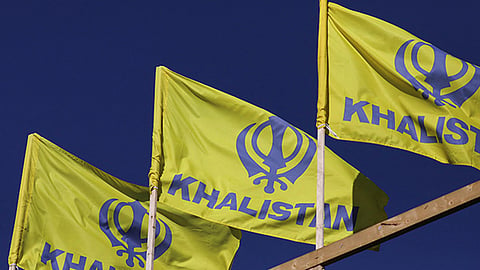

CHANDIGARH: In a first, Canada’s House of Commons has passed the Combatting Hate Act (Bill C-90), proposing to criminalise the public display of symbols linked to designated Khalistan terrorist organisations when used to promote hatred or disrupt access to religious and cultural institutions.
Indo-Canadian groups have called it a long-awaited step against the public glorification of Khalistani extremism and attacks on places of worship.
The bill was cleared in its third reading on March 25 with a vote of 186-137 in the House of Commons. It will now move to the Senate for further review before it can become law.
The legislation introduces new Criminal Code offences, including provisions to criminalise the intentional promotion of hatred against identifiable groups in public, particularly through the use of symbols linked to hate or terrorist organisations. It also proposes stronger penalties for hate-motivated crimes and creates new offences for intimidating or obstructing people seeking access to places of worship, schools or other religious and cultural sites.
Under the proposed law, flags associated with Babbar Khalsa International (BKI) and the International Sikh Youth Federation (ISYF), both designated as terrorist organisations in Canada and India, could face legal restrictions, as the bill includes penalties for displaying symbols linked to such groups, sources said.
Once passed by the Senate and granted royal assent, the bill would mark a significant shift in Canada’s approach to combating hate and the public promotion of terrorist symbols. Authorities are expected to have clearer and stronger provisions to act against such activities, potentially improving safety for Indian-origin families.
Canada’s Justice Minister Sean Fraser, who sponsored the bill, defended the changes, stating that the law is designed to target harmful conduct rather than restrict legitimate religious expression.
For years, many in the Indo-Canadian community have raised concerns about Khalistani extremist activities in Canada, including public displays linked to the Khalistan movement.
India-Canada relations have remained strained since 2023 following the assassination of Khalistani separatist Hardeep Singh Nijjar. Experts believe that once the Act is passed, it could help improve ties, as New Delhi has repeatedly raised concerns about Canada allegedly serving as a safe haven for extremist elements linked to anti-India activities.
