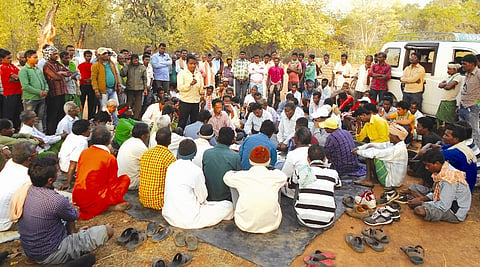

Odisha’s Tribal Affairs and Sports Minister Sudam Marndi is caught in an unenviable situation. The tribal leader, who spun his political career by stoking anti-Diku (non-tribal) fire among the Santhali community that included strict bar on inter-caste marriages, is in a spot of bother following his daughter’s marriage to a Brahmin lad. Not only Marndi and his family, but also residents of his native village and two others supporting him have been ex-communicated from the tribe as per the decision taken by the supreme bodies of chieftains of the Santhal community. As a consequence, the ostracised will have no association of any kind with the community, losing right to customs and rituals — they are not even allowed to immerse ashes of their deceased in the traditional ghats.
True, Marndi is being paid back in his own coin, for he was instrumental in the ostracisation of other tribal leaders and former ministers like Saraswati Hembram and Chaitanya Prasad Majhi for similar ‘transgressions’ in the past. But the impact of the diktat won’t hurt him as much as it would the hundreds of residents of the villages that have been meted out the same treatment for coming to his aid. Marndi, who has moved on to the mainstream, can survive the severance of the umbilical cord but the natives will be the worst victims as they not only have to reside in their own villages but also draw sustenance from the community itself. The whole issue, while seemingly politically coloured, should also be seen from the perspective of conflict between a fiercely conservative tribal society and an increasing push for cultural assimilation with modernity.
Santhalis, the third largest tribal community in the country, deem their traditions sacrosanct. At the same time, they are at the forefront of integration with the mainstream, thanks to the spread of education and adoption of modern ways of life. The emergence of an educated, urbanised new generation is beginning to bring a transformation, which ultimately may increase conflict situations. The need of the hour is to find a common path so that the transition is smooth and doesn’t upset the unique culture and traditions of the tribes.
