
If Germany’s 1954 triumph was considered a miracle, 1974 success was a different story. They had made giant strides in 20 years. After European success just two years earlier, they were one of the favorites to clinch the world title at home. Led by the inspirational Franz Beckenbauer, the West Germans displayed a meticulous style of play to claim their second world title.
In their final test, they were up against a very talented Dutch side. The Netherlands had done everything right up until the final. They had dazzled the world with the introduction of Total Football, a brand of football pioneered by Ajax FC. In fact, they took lead before any of the West Germany players could even touch the ball. But the Germans had the last laugh. They hit back through Paul Brietner, reputed for his venomous long-rangers, and Gerd Muller, a prolific striker, to spoil the Dutch party.
After the intense heat of Mexico in 1970, the playing conditions in West Germany were a different challenge, as rain blighted many of the key fixtures. There were some significant changes in the format of the competition as well. The top two teams in each group progressed to the second round, where two groups of four would battle for a place in the final.
The year also marked the introduction of the present World Cup trophy, a replacement for Jules Rimet Cup that Brazil retained after 1970 win.
There were also security concerns, after West Germany had suffered a terror attack during the Summer Olympics in Munich two years earlier. Worse still, marquee sides such as England, Russia, Hungary, France and Spain didn’t qualify.
The hosts got off to a good start, beating Chile and Australia, but they were stunned by debutants East Germany in their last group match. Yet the upset turned out to favour them as they avoided facing Argentina, Italy and the Netherlands in the next phase.
Meanwhile, Poland had taken their game to the new level. Powered by midfielder Kazimierz Deyna and poacher Grzegorz Lazo, golden shoe winner, they saw off Argentina and Italy in the group stage.
However, their golden run came to an end in the semis against The Netherlands.
On the other hand, defending champs Brazil never looked a side they were four years ago. Pele, who had announced retirement already, was present in Germany but only as a special guest in the opening ceremony. The Brazilians missed him dearly.
The Netherlands earned lot of praises for their new football philosophy. West Germany, however, reinforced that efficacy can prevail over flair.
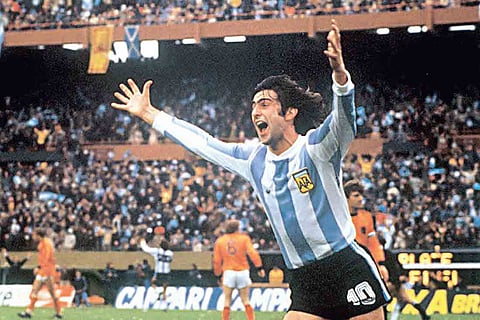
Four years on, the tournament returned to Latin America where Argentina became the second host nation to win. Propelled by the goals of Golden Shoe winner Mario Kempes and home supporters who had turned out in huge numbers, Argentina clinched their maiden World Cup. Unfortunately, the title was at the expense of The Netherlands (2-1) yet again.
There was delight for Africa, as debutants Tunisia became the first-ever team from Africa to win a World Cup match when they beat Mexico 3-1. France’s Michel Platini, just 21, showed early glimpses of his talent, though his team made a premature exit.
