
Deja vu returns to haunt us. Yet another man cries wolf. Oh, the horror of it all. But really, will someone pry open the can of worms a little more and let us see some new writhing creatures with the horns and tail of match-fixing? With due respect to the noble breed that is the whistleblower, we are by now only too familiar with the hit-and-run tactic of digression — the obvious attempt by the self-anointed informant to draw attention to himself without revealing information. It’s like this you see: as nobody considers himself naive on the subject any longer, we can live without unsubstantiated allegations and conspiratorial ramblings. For cricket to be cleansed of corruption and its followers to keep the faith, it all comes down to one word. Credibility.
Such relevant details as these may be revisited.
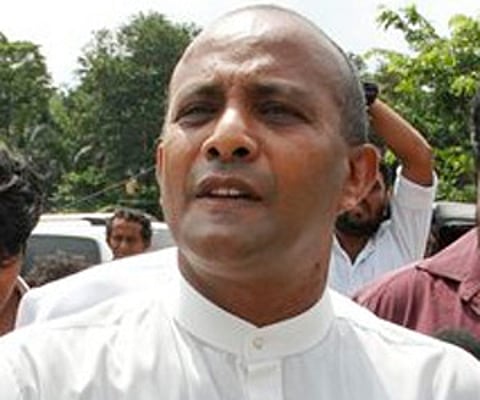
Hashan Tillakaratne’s recent claim that Sri Lanka has been involved in match-fixing since 1992 offers no explanation on why he has been silent for 19 years (and neither does his placid expression in the photo). Arjuna Ranatunga, the only other prominent cricketer from that country to deliver the same line without the garb of anonymity, makes no mention of the fact that he and Tillakaratne continue to be teammates — as members of opposition political parties. Rashid Latif, without waiting for evidence, endorses Tillakaratne’s version although there still exists the doubt that his act of deposing against Salim Malik had more to do with succeeding him as skipper than ridding the game of it’s-not-cricket practices. Untroubled by the intriguing coincidence of those whom he seeks to implicate in the crime of corruption — the Akmal brothers, Kamran and Umar — being his rivals for the position of wicketkeeper, Zulqarnain Haider, who has since returned to Pakistan after fleeing the team camp during a series against South Africa in Dubai, is yet to elaborate on how he suddenly feels secure enough to stage a comeback after announcing his retirement citing threats to his life, or enlighten us on whether the reversal of his earlier decision to seek political asylum in the UK has anything to do with not being able to command a premium price for his revelations from London’s tabloid newspapers. And so on.
It is nobody’s case that the aforementioned names do not bear the potential to be the good guys in this story. But by being economical with the truth, by not presenting positive proof, these men have perforce led many to believe that their real motive lies not in acting against the crooked but financial gains, political mileage or the desire to put someone in an awkward position.
Match-fixing, admittedly, is a game of dangerous proportions involving life-changing temptations and life-threatening dangers. It takes a man of courage and conviction to expose the skeletons in the cupboard. It takes systemic support for his voice to speak in a language unburdened by fear or favour. Such protection, we have reason to believe, envelopes these quiescent whistleblowers, among whom three are former captains, two being members of parliament, and one is a citizen of a country wherein his credentials have so improved that the interior minister is driven to embrace him at the airport.
Please, gentlemen, name a few new names so that we too can get our fix.