
CHENNAI: The story of the 2026 World Cup is also a story of migration, the history of colonialism and how some of the countries used their networks of scouts and agents to tap into their diaspora across the world. Here's an example. On Tuesday night, France will play Senegal. Out of the 26 members in the African team, 10 of them were born in France with some of them making their competitive club debuts for sides across France before declaring for Senegal, the country of their parents or grandparents.
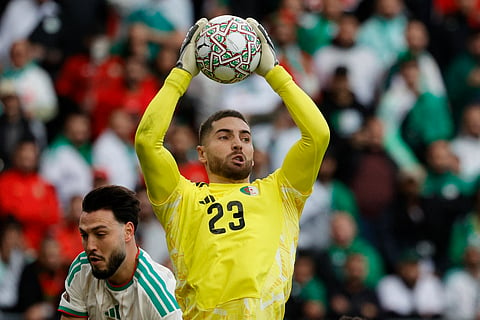
A few hours later, in the game featuring Algeria and holders Argentina, as many as 13 in the Algerian team were born in France including one of the most famous surnames in world football, Luca Zidane, Zinedine's son. The result is that many, like Luca, featured in a number of French age-group teams, before declaring for Algeria. In fact, midfielder Houssem Aouar featured in one France friendly but has since been capped by Algeria and will be a part of the game against Algeria.
The banlieues of Paris have long become the hotbed for football talent and countries from around the world have become wiser. It's why out of 1248 players at the World Cup, 75 were born in France. The migratory patterns are also visible in other ways; out of the 1248 players, 289 will not play for the country of their birth. It's here that first-timers like Curacao and Cabo Verde have improvised. Considering there are clear cultural and geopolitical links between Curacao and The Netherlands, they have tapped into that existing system. Out of the 26-strong squad, only one, Tahith Chong (Man United academy product), was born in the country. The other 25 were all born in Netherlands, with most of them being schooled in Dutch football academies.
Cape Verde, an archipelagic country off the coast of Africa, also tapped into their vast scouting networks in Portugal (three), Netherlands (six) and France (three). It's why 12 of their 26 were born and schooled in these three countries. One of the funkier World Cup stories also comes thanks to their federation. One of their players, Roberto Lopes, was approached by the Cape Verdean federation on LinkedIn. Lopes, born in Ireland, doesn't speak enough Portuguese so he had ignored the original message from the officials.
It was only nine months later, following another approach, that he responded after using translation software. Roberto, whose father hails from Cape Verde, has since been capped 44 times.
Football in 2026 is also linked inextricably with geopolitics. Take the case of the Trump administration in the US. In the courts, there's a fierce battle going on to end Birthright Citizenship in the country. On Friday night, Folarin Balogun, who only became a US citizen because he was born there while his parents were on holiday, played a significant role in their greatest football night at the World Cup.
On Sunday in Switzerland, there was a referendum to cap the population to 10 million. The voters didn't clear by a narrow margin. The proposal, if passed, would have forced the government to limit population (currently at 9.1 mn) to 10 mn by 2050.
The country, at the World Cup, have three players born outside their country. But, in a way, it's the most ethnically diverse team in the tournament. Two of their goalkeepers were born in Cameroon and England respectively. Their talisman at the back, Manuel Akanji, has Nigerian roots while left-back Ricardo Rodriguez, has a Chilean mother and a Spanish father. The national team's most capped player and current captain, Granit Xhaka, was born in Basel but his parents are Kosovo Albanians (it's why he celebrated with the eagle gesture following their game against Serbia at the 2018 World Cup).
