
In any sport, sparring partners are picked based on a variety of requirements. The purpose of getting one might be common to all — to improve the overall game of an athlete. But the technique and the methods differ and so does the quality and quantity. For the last 20 years or so, the game of squash in India has seen a number of partners come and go. But there is one unique aspect to it. Those who have helped the likes of Saurav Ghosal or Joshna Chinappa are professional athletes themselves.
According to former national coach Cyrus Poncha, these athletes are chosen in a way that they can also do a bit of mentoring and tweaks to an athlete’s game.
“It started in 2003-04. The first time, it was during the world juniors or British juniors. The idea was to play with someone who you don’t face often,” Cyrus said. According to him, the sparring partner should be of the highest quality ranking-wise.
“For example, for Saurav, If I bring someone who is ranked 20, then it not going to help him. There won’t be any mentoring. On the other hand, If I bring a top-5 player, then Saurav would look up to him. If Saurav and Mahesh Mangaonkar are sparring with each other, the whole concept of sparring is lost. They both know each other’s game. So we need someone who they don’t face much often on the circuit.”
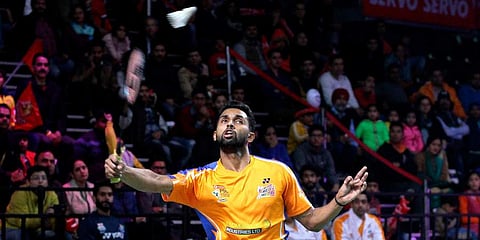
But that is not easy as these sparring partners will have a schedule of their own. The timing and cost also should be considered. So most of it is done before a big tournament. This is not the case with a sport like badminton. Obviously the sparring partners would have played at some level. But they are no longer active professionals. Some of them have been helping out Indians for a few years now. According to HS Prannoy, who trains at the Gopichand Academy in Hyderabad, most of them are athletes who were not able to make a mark.
“This concept started in 2008 or post that. Initially, we used to call them coaches. Most of them are young and former players. But they haven’t played at the highest level. In countries like Indonesia, where there are many top players, some of them find it hard to come up as a player. So they opt for this. It’s also a source of income,” Prannoy said.
One might wonder how can an elite athlete such as Prannoy improve his game if he is sparring against someone who has barely played at the top level. That’s where the numbers come in. It needn’t necessarily be one sparring partner on the other side of the net. Combinations like one vs three or one vs four are the scenario in practice sessions. According to him, the size and length of the court is something unique in badminton. Though the sparring partners have not played at the top level, three against one is always going to be difficult. For example, someone like Kento Momota can keep hitting the shuttle 60 times in a rally. Now, three people together can do the same with intensity even if they are not on the same level.
“If you compare with squash or table tennis, we need more sparring partners. I don’t think three or four can spar inside a squash court or on a TT board. The difference is the size of the play-area. We don’t need to necessarily play games with sparring partners in badminton. There are other drills. The aim is for the shuttle to keep coming to you. We need people on the other side who are equally good. But they don’t have to be players at the same level.”