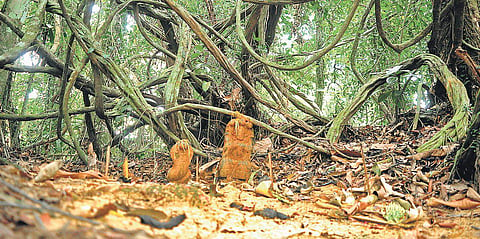

VISAKHAPATNAM: Andhra Pradesh’s centuries-old sacred groves, also known as Pavithravanas, continue to serve as important refuges for native biodiversity, with a recent study documenting 378 plant species in a single sacred grove in Anantapur district.
The findings underline the ecological significance of these traditionally protected forests even as researchers caution that many such sites across the State are gradually coming under pressure from development and changing cultural practices.
A floristic survey of Penna Ahobilam Sacred Grove in Anantapur District documented 378 wild and naturalised plant species belonging to 220 genera and 54 families. The species include 49 tree species, 56 shrubs, 235 herbs and 38 climbers.
The study, “A Preliminary Floristic Exploration in Penna Ahobilam Sacred Grove”, was published in the European Journal of Ecology, Biology and Agriculture based on fieldwork conducted from 2018 to 2026.
AP has 730 sacred groves dedicated to local deities
Researchers noted that Andhra Pradesh has 730 documented sacred groves, locally known as Pavithravanas, dedicated to local deities as well as Hindu gods and goddesses, including Shiva, Hanuman, Saraswathi, Gangamma and Narasimha. Protected for generations through customary beliefs and community traditions, these forest patches have become repositories of native flora and fauna.
The study describes the Penna Ahobilam Sacred Grove, located about 36 km from Anantapur, as a remnant patch of tropical dry deciduous vegetation with rocky hills, seasonal streams and diverse microhabitats that support several native and medicinal plant species. Trees such as neem, banyan, peepal, tamarind, black plum and Indian beech were among those recorded.
The researchers observed that the long-term survival of many sacred groves is becoming increasingly uncertain. Expansion and modernisation of temples, removal of native vegetation and development activities are gradually reducing the ecological value of several sacred groves in the State.
The study also points to the broader conservation role of sacred groves, describing them as biodiversity hotspots that help conserve endemic species, regulate local microclimates, store carbon and preserve traditional ecological knowledge. It recommends combining community-led conservation practices with scientific management to protect these culturally significant ecosystems for future generations.
