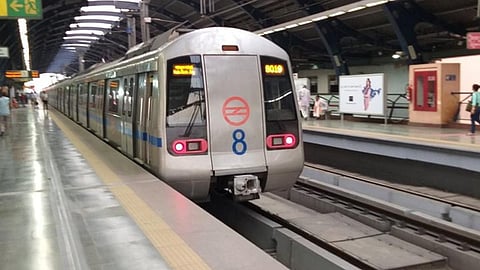

NEW DELHI: Delhi Metro Rail Corporation (DMRC) has announced a mid-life refurbishment (retrofit) initiative for its Blue Line trains to enhance passenger safety, comfort, and overall travel experience. Under this initiative, the oldest Rolling Stock (RS-1) trains are being upgraded with modern technology and improved facilities to ensure they remain reliable and meet current standards.
As part of its mid-life refurbishment programme, the DMRC is refurbishing 70 trains of the Red and Blue lines in a phased manner.
In the first phase, 12 trains have already been upgraded. In the second phase, refurbishment of 18 trains is currently underway, with work on another 9 trains set to begin soon, followed by the remaining 9. In the third phase, 22 Blue Line trains will be refurbished by November 2027.
These trains, inducted between 2002 and 2007, have completed nearly 19 to 24 years of service and are now being upgraded with modern systems and features to meet the latest rolling stock standards.
Vikas Kumar, Managing Director of DMRC, inspected the first refurbished train of the third phase before it was inducted into passenger service. “A total of 31 trains have been refurbished so far, showing DMRC’s continued focus on modernisation,” he said.
The refurbishment work includes major improvements to both the train interiors and systems. The interior areas, including passenger sections and driver cabins, have been repainted to restore aesthetics and fix wear and tear from many years of use. Electrical panels have also been upgraded to enhance reliability.
IP-based Passenger Announcement and Passenger Information Systems (PA-PIS), CCTV systems, and LCD-based Dynamic Route Maps (DRM), along with display screens, have been installed.
These systems provide real-time information about routes, current time, and expected arrival at stations. They also enable communication between passengers and train operators during emergencies.
