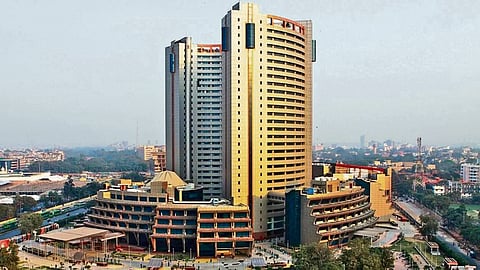

NEW DELHI: The Municipal Corporation of Delhi (MCD) has approved a new set of operational guidelines for eating establishments, introducing a risk-based inspection system and uniform hygiene standards in the first major overhaul of its regulatory framework since the Health Trade Bye-laws were framed in 1964.
An order issued by the Public Health Department of the civic body said the guidelines have come into effect immediately and will be implemented across all zones of the MCD.
Under the revised framework, approved by mayor Pravesh Wahi on Friday, routine inspections will be based on the type of food business, category of establishment, past compliance, complaints and other factors involving public health risks.
Under these guidelines, high-risk establishments will face more frequent inspections from designated officials, while outlets with a strong compliance record may be inspected less often. Surprise inspections will continue wherever required.
The new guidelines also recognise modern food business formats that have emerged over the years, including cloud kitchens, takeaway and delivery-only kitchens, food kiosks, chef carts, food courts, base kitchens and rooftop dining facilities. Each category has been assigned separate operational standards based on its scale and risk profile.
Guidelines set uniform food standards
An official said the revised framework marks a shift from a licence-focused system to a public health-focused approach aimed at preventing food- and water-borne diseases through safer food handling practices.
The guidelines set uniform standards for food hygiene, water quality, sanitation, waste management, pest control, and personal hygiene across all categories of eating establishments. Officials said the changes also align with the Deemed Health Trade License framework, which places greater responsibility on food business operators for self-compliance.
The revised rules also clarify regulatory responsibilities. While the health trade license will serve as a hygiene and sanitation clearance, compliance with fire safety and structural safety norms will remain the responsibility of licensees and the concerned authorities.
The guidelines prescribe standard requirements for food preparation, storage, sanitation, water quality, food delivery, staff hygiene and record-keeping. Key provisions include compulsory testing of potable water every six months, separate preparation areas for vegetarian and non-vegetarian food, records for high-risk food suppliers, colour-coded utensils, regular pest control and proper waste segregation and disposal.
