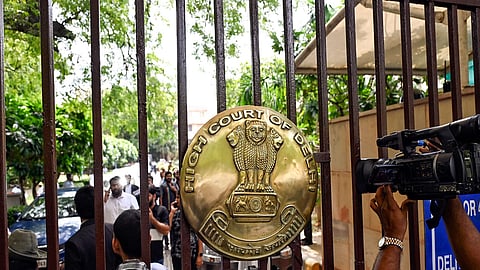

NEW DELHI: The Delhi High Court has said that a second wife is neither necessary nor a proper party in the maintenance proceedings initiated by the first wife and her children.
Justice Swarana Kanta Sharma made the observation while dismissing a plea filed by a woman seeking to be impleaded as a party in a petition filed by the first wife against her husband, who demanded revision of the maintenance awarded by a family court. The family court had denied her maintenance, while granting Rs 10,000 each to the two children.
During the pendency of the petition, the man divorced his second wife, who then sought to be impleaded in the maintenance proceedings initiated by the first wife, claiming that any order passed in the matter could adversely affect her rights and financial interests.
The first wife opposed her plea, claiming that the dispute was confined to maintenance claims between herself, the children, and the husband, and no relief had been sought against the second wife.
The judge agreed and said, “The proceedings under Section 125 (maintenance of wives, children, and parents who are unable to maintain themselves) of the CrPC are confined to the rights and obligations inter se the petitioner and the respondent, and the status or claims of the applicant, if any, do not have any direct or substantial bearing on the adjudication of such rights.”
The court rejected the contention that the second wife’s financial dependence on the husband justified her impleadment, saying that accepting such a plea would open the door for every dependent person to seek intervention in maintenance proceedings.
Dubbing it “untenable” in law, the judge rejected the second wife’s contention that her non-impleadment would amount to a violation of the principles of natural justice.
Husband divorced second wife as well
During the pendency of the first wife’s petition in the High Court, the husband divorced his second wife too, who then sought to be heard in the maintenance proceedings initiated by the first wife, claiming that any order passed in the matter could adversely affect her rights and financial interests, necessitating the impleadment petition.
