
BENGALURU: Chief Minister Siddaramaiah on Saturday said the energy sector, particularly green energy, is essential but energy transition brings new and complex legal questions relating to contracts, environment, land and infrastructure.
He said courts are required to balance development needs, environmental protection and rights of affected communities. “We respect the role of the judiciary in upholding the rule of law and protecting citizens’ rights. At the same time, it is important that the broader development context is appreciated, so that critical infrastructure projects are not unduly delayed.”
The CM said that as India moves towards becoming a developed nation by 2047, the scale of transformation required in the energy sector is unprecedented. “If we are to improve quality of life, strengthen industry and build modern infrastructure, our energy consumption must grow almost four times over the coming two decades.”
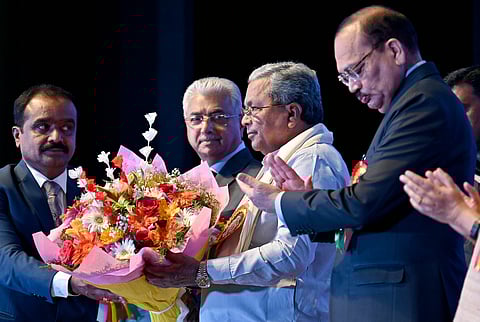
Siddaramaiah said this at the inauguration of the two-day international conference on Sustainable Energy – An Agenda for India @2047 organised by Commonwealth Legal Education Association and state energy department in Bengaluru.
Also present on the occasion, Chief Justice of India Surya Kant urged all judges and policy makers to work collectively for energy justice, which rests on four pillars – affordability, accessibility, equity and inclusion.