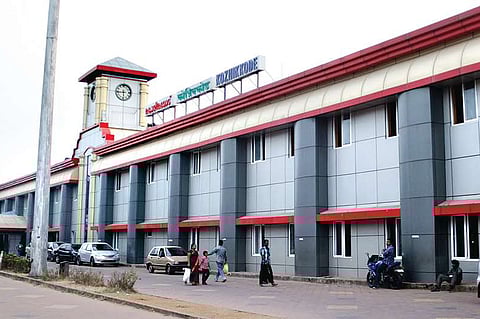

On January 2, 2013, when it completes 125 eventful years, the railway network in Kozhikode will cross a major milestone in its long journey.And during these 125 years, the influence it has had on Malabar over the years cannot be measured in just numbers.
The Railways currently play the role of a lifeline for the region, transporting goods and passengers from and to Malabar, but its role, when it was first opened, was even more significant, according to experts.Historian M G S Narayanan says that with the Railways arrived a number of changes in the socio-economic fabric of the region.
“The railway line was not extended southwards to Kochi till a number of years later and Chennai, then Madras, became the nearest major urban centre for the people of Malabar.Several people of the area had the opportunity to receive higher education in Madras and as a result, Kozhikode became more anglicized and modern in its outlook than other cities.
It also led to the emergence of a large number of lawyers and professors in the city and it was from this class that a number of prominent freedom fighters, including Kozhipurath Madhava Menon and K P Kesava Menon came,” he elaborates.
It was also influential in the commercial development of Malabar, with the tile and textile industry receiving a shot in the arm, but the most of important impact of the Railways was that it blurred the caste and religious borders in the region and facilitated social integration at a level which was otherwise not though possible.
“The Malabar society was hugely divided on caste and religious lines then, but the Railways played a role in blurring the borders.There was no segregation of Nair or Namboothiri or Ezhava on the trains.All there was were passengers with tickets, sitting next to each other,” he says.Another vital contribution of the Railways was in making the traditional timber industry, based along the banks of the Kallai River, a force to reckon with.
“Earlier, the sleeper coaches of trains were built using wood and Kallai was one of the biggest supplier of wood to Indian Railways.The railway station in Kallai was started for the sole purpose of facilitating the transport of timber.During the 70s, the Railways began making metal coaches and this was one of the main causes for the decline of the traditional timber industry in Kozhikode,” says T K Kandakutty, a veteran timber trader based along the Kallai River who has been in the business for more than 60 years.