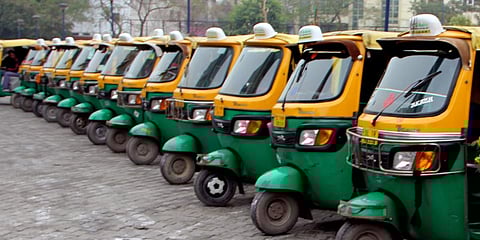

THIRUVANANTHAPURAM: Families identified as ‘extremely poor’ in the state will soon get home delivery of groceries from shops under the Public Distribution System (PDS). The government has come up with a project named ‘Oppam’ through which autorickshaw drivers in the locality will deliver food items at the doorstep of people from ‘extremely poor’ families who cannot visit PDS shops to collect their supplies due to old age, illnesses or other issues.
Food and Civil Supplies Minister G R Anil will formally launch the project at Poochatty in Thrissur on Monday. Once ‘Oppam’ is rolled out, the beneficiaries will get their ration supplies delivered before the 10th of every month, free of cost. A survey by the local self-government department had identified over 64,000 families in the state as ‘extremely poor’, with over 85% of them being concentrated in rural areas.
The department’s initiative was touted as the first-of-its-kind process in the country to identify the ‘extremely poor’. According to Civil Supplies Commissioner D Sajith Babu, a large number of people among the extremely poor cannot reach PDS shops due to various reasons.
“While some are old, some suffer from locomotive disabilities. The project ‘Oppam’ has been launched for such people,” he said. The official said many of them did not have ration cards initially but the department has now been able to provide the cards to over 80% of the extremely poor.
‘Special camps held to provide ration cards’
“Special camps were held in which ration cards were provided to majority of the people in this category,” Sajith Babu said. The civil supplies commissioner said an extension has been given for those eligible people whose thumb impressions could not be collected due to various reasons.
“However, we will include them soon in the project,” the official said. ‘Oppam’ has been modelled on the ongoing project in which tribals are provided food items through PDS at their doorstep. To ensure transparency, proper receipt from the ration card holder on food items received will be recorded in the manual register. This will later be recorded in e- POS machines.