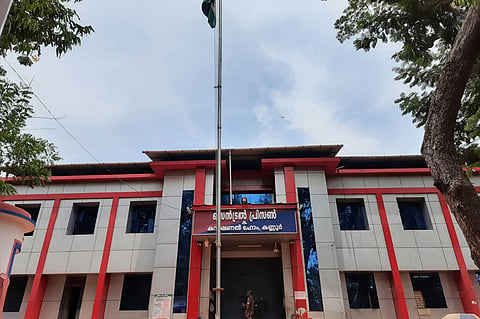

KOZHIKODE: Raising suspicion that the LDF government in Kerala is considering granting a reprieve to the convicts in the T P Chandrasekharan murder case, the Kannur Central Prison authorities have sought a report from police on granting remission to three accused.
The superintendent of the Kannur Central Prison recently sent a letter to the Kannur city police commissioner requesting a report on potentially commuting the sentences of 59 convicts currently in jail in various cases. The list includes the names of T K Rajeesh, Muhammad Shafi and Sijith S alias Annan Sijith — the fourth, fifth and sixth accused, respectively, in the TP case. The move comes despite a High Court order imposing a life term of 20 years without remission on the convicts in the TP case.
The letter, dated June 13, mentions a preliminary proposal to release 59 convicts from the Kannur prison as part of the ‘Azadi Ka Amrit Mahotsav’ initiative. The list calls for a thorough investigation into their eligibility for release. It also seeks a prompt report based on enquiries with the convicts’ relatives and friends, as well as the victims of their crimes, if any.
Rajeesh, Muhammad Shafi and Sijith were sentenced to 20 years’ imprisonment by the High Court, which restricted their right to remission. The HC had enhanced their sentences while dismissing a petition to overturn punishment awarded by the Kozhikode Additional Sessions Court. The government had recently granted parole to TP case convicts Manoj, Muhammad Shafi, Sinoj, Sijith, and Rajeesh.
K K Rema, Vadakara MLA and wife of TP Chandrasekharan, sharply criticised the move to release TP case convicts. She said the “government’s move is a serious contempt of court”, and vowed to challenge the decision both legally and politically.
State Director General of Prisons & Correctional Services Balram Kumar Upadhyay clarified that TP murder case convicts will not be released.
‘Will investigate and clarify matter’
“The names of the TP case convicts were included in the list as part of the ‘Azadi Ka Amrit Mahotsav’ initiative. Jail officials across the country were instructed to draw up a list of eligible convicts. Many prisoners who have been in jail for more than 10 years were automatically included. However, this does not apply to the TP case convicts. There might have been some confusion among prison officials while preparing the list. We will investigate and clarify the issue soon,” Balram told mediapersons.
The issue has triggered a major controversy, with the Congress and the BJP coming out against the chief minister and the government.
Congress state president K Sudhakaran alleged that the jail superintendent’s “unnatural action” to release the three prisoners, that too bypassing the High Court’s verdict, would not happen without the intervention of the CPM leadership.
BJP state president K Surendran said the move to grant remission to TP case convicts was not surprising. In a Facebook post, Surendran alleged that no Malayali would believe that “jail laws were applicable to the convicts in prison”.
How remission is given
Generally, prisoners are given remission based on the recommendations made by a standing advisory board in prison with the prison's DGP as chairman. The panel will hold its meeting once in six months. Prisoners eligible for remission are recommended based on their conduct in jail, time served in prison and other aspects related to their imprisonment.
The board consisting of a special judge, collector, commissioner, three nominated officials and district probation officer will look into different factors including social acceptance, family acceptance, behaviour in prison and during parole.
The panel submits its report to the district police chief. Later, it will be sent to the cabinet for clearance. Only after the final approval from the governor, remission is granted. If the government refuses to grant remission of those recommended, they can approach the state-level advisory board and file an appeal. Similarly, the victim or his relatives can also file appeal against the remission of a prisoner.
