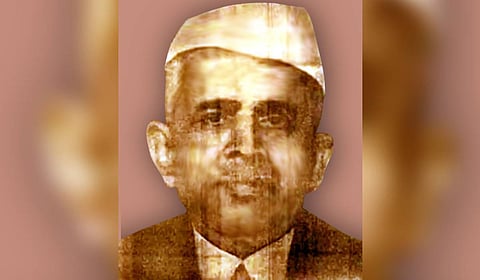

MALAPPURAM: Manjeshwar, Kerala’s northernmost assembly constituency, has a rare distinction — it elected its first MLA unopposed in the very first elections after the state was formed.
M Umesh Rao, contesting under the banner of the Karnataka Samiti, walked into the House unopposed in 1957 — an outcome shaped as much by political strategy as by the charged climate of linguistic reorganisation of states.
The formation of Kerala along linguistic lines sparked discontent among sections of Kannada-speaking residents in Kasaragod, many of whom favoured integration with the neighbouring state. From this sentiment emerged the Karnataka Samiti in 1955, spearheading a series of separation agitations.
Rao, a prominent voice of the movement, became its leading figure and was fielded from Manjeshwar to press the demand through the ballot.
However, no rival entered the fray. Backed by the Communist Party of India, the Karnataka Samiti secured Rao an uncontested path to the assembly.
The alliance went beyond the state polls, with the Samiti also backing communist icon A K Gopalan in the Lok Sabha elections.
The first assembly of newly formed Kerala had 126 members. While 125 constituencies saw intense contests, Manjeshwar stood apart — its representative was declared elected even before polling day.
Beyond this singular victory, Rao’s life was steeped in public service. Born on October 25, 1898, he was a lawyer and a committed political activist.
Entering politics in 1921, he took part in the freedom movement and later served as president of the Kasaragod Taluk Congress Committee and the South Canara District Congress Committee. As a leader of the Karnataka Provincial Committee, he was a strong advocate of linguistic reorganisation, pressing for the merger of northern Kasaragod with Karnataka.
Rao’s contributions extended beyond politics. He was among the founders of the Kasaragod Weavers Cooperative Society and served on the South Canara District Board, reflecting a strong commitment to grassroots development and the cooperative movement.
He passed away on August 21, 1968. Yet, his legacy endures — not just as a political leader, but as the central figure in one of Kerala’s most remarkable electoral stories, where democracy delivered a verdict without a vote.
