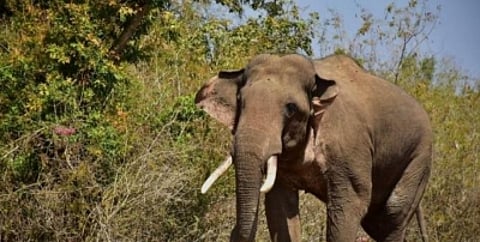

IDUKKI: In Chinnakanal, farming is undergoing a quiet but significant transformation. With the changing pattern of human-wildlife interactions, cultivators are moving away from diverse cropping patterns towards monocultures like cardamom and eucalyptus. Once known for diverse cultivation — including ginger, pepper and areca nut along with other intercrops — the region is now witnessing a visible decline in crop variety.
Farmers said frequent crop raids and safety concerns have made labour-intensive farming difficult to sustain. As a result, many are opting for crops that require minimal human presence.
Cardamom continues to be cultivated for its high value and lower maintenance. However, farmers noted that even though cardamom is relatively less vulnerable than others, elephants do damage cardamom plantations as well.
“Cardamom is comparatively safer in this situation. Farmers don’t have to be on the land every day, and the returns are better,” said Santha Kumari, a local body member.
Eucalyptus, meanwhile, has expanded rapidly across private and revenue lands. Officials said the region’s high water availability has reduced its growth cycle from about 10 years to nearly five, making it an attractive option with quicker returns.
The spread of eucalyptus also has historical roots. Revenue lands in parts of the Munnar high ranges, including Chinnakkanal, were earlier allotted to Hindustan Newsprint Ltd (HNL) for raising plantations to support newsprint production. Over time, such monocultures replaced native grasslands and altered the natural landscape.
A forest department official said earlier mixed cultivation, especially crops like ginger, helped improve soil fertility and supported the growth of other plants and small trees. “With monocropping, this natural regeneration has declined, affecting overall vegetation,” the official said.
The proliferation of eucalyptus and wattle in forest areas has also reduced natural fodder, triggering elephant movement into adjoining landscapes. “We are now focusing on eco-restoration by planting grass species that are suitable for elephant consumption, along with palm seed dispersal to improve food availability within forests,” a forest official said.
