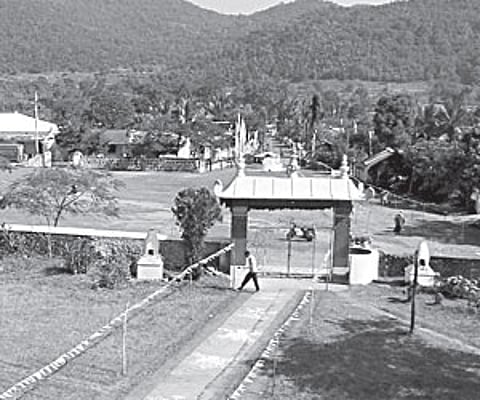

CHANDRAGIRI: Tucked away in the lush green forests of Chandragiri in Gajapati district, Phuntosokling Tibetan Settlement, the largest settlement of Tibetan refugees in Orissa, resembles a mini-Tibet.
With passage of time while many forest corridors have transformed into concrete jungles, Chandragiri seems to be an exception. The area was once home to a few tribals who stayed in scattered hamlets. The first batch of 600 refugee families arrived in 1963 and settled in five camps at and near Chandragiri. After more than four decades, the greenery in the vicinity remains almost intact, but the number of wild animals has come down to a great extent.
With the increase in Tibetan population, a number of houses came up in the area. Strangely people here still prefer thatched houses to concrete roofs.
Of late, the lifestyle of the GenNext has changed, but the old timers still cling to the ageold traditions. They have meticulously preserved their cultural identity against the onslaught of modernism.
Inside Phuntosokling Tibetan Settlement, one can notice monks in ochre robes and elderly people in ‘chapus’, a traditional dress, mingling with trendy youths signalling a community in transition.
The old timers are fiercely possessive of their roots as they hope to return to their homeland one day. As a sign of immune to proselytism, the Tibetans in exile send their children only to Tibetan village schools set up in almost all the settlements across the country.
They have been eking out a living by doing agriculture, selling dogs, weaving carpets and sweaters and selling winter clothes. The carpets woven by them are in great demand in international market.
Of late, the younger generation is showing inclination to Hindi films and songs. Some Tibetans are also interested to provide modern education to their wards, but limited facilities are coming in the way. With scope for higher education inadequate, most of the families prefer to engage their children in business or work.
The refugees have their own set of rules and representatives of their spiritual leader Dalai Lama have been appointed to manage the affairs of the settlement. Though they have established a home away from home and are leading a decent life, their heart still yearns for homeland Tibet.
They have a lurking desire to live in an independent Tibet. Rallies taken out by Tibetans on specific occasions in various places in India and abroad to garner support for the cause are testimony to that.
