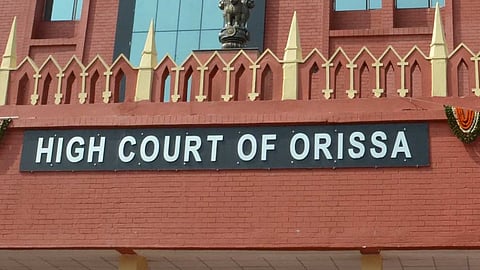

CUTTACK: The Orissa High Court has directed the government to constitute a panel of competent and experienced lawyers to handle arbitration cases involving the state and its instrumentalities.
Expressing concern that inadequate representation before MSME courts and arbitration tribunals could cause substantial loss to the public exchequer, Justice SK Panigrahi issued the direction on Monday.
The bench was hearing a petition filed by a private environmental engineering company seeking vacation of a stay order passed by the District Judge-cum-Commercial Appellate Court, Khurda, in a commercial dispute with the state government and release of `1.5 crore deposited in its favour. The petitioner company also sought expeditious disposal of the pending appeal.
Justice Panigrahi observed that arbitration proceedings involving the state were, in several cases, not being conducted with the requisite degree of professional competence, diligence and preparedness. “Since such matters often involve substantial financial claims against the government, they demanded careful and effective representation,” Justice Panigrahi stated.
“At times, the state appears to have been represented by counsels whose experience and expertise in the specialised field of arbitration are not commensurate with the complexity and significance of the matters entrusted to them,” Justice Panigrahi observed.
In the order, web copy of which was released on Thursday, the court cautioned that inadequate representation could have consequences extending beyond an individual case and result in substantial and wholly avoidable loss to the state exchequer, with the ultimate burden falling on the public purse.
Directing the chief secretary to constitute the panel within one month, Justice Panigrahi said the credentials, experience, expertise, track record and past performance of proposed lawyers must be carefully scrutinised before empanelment.
The panel’s particulars are to be placed before the court for its perusal. The matter has been posted for September 25, 2026.
Justice Panigrahi also directed the government to identify officers whose negligence, dereliction of duty, lack of due diligence or possible collusion may have contributed to repeated failures. If misconduct is established after a fair inquiry, disciplinary action should follow and, where warranted, such officers should be kept away from handling arbitration matters.
“The state, in the matter of arbitration, cannot afford to litigate with one hand tied behind its back,” the Judge said, adding that every avoidable loss caused by “indifference, incompetence or collusion” amounted to a failure in discharge of public trust.
