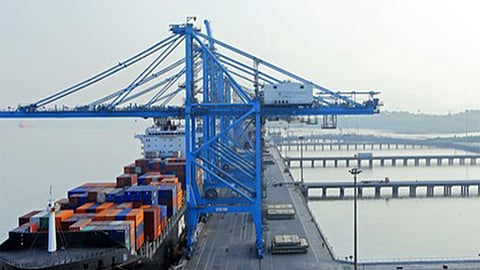

JAIPUR: The ripple effects of the West Asia war and the related shipping and fuel crisis have begun to disrupt exports, inflate costs, and stall production in key sectors such as Bikaner’s famed namkeen industry and Sojat’s mehendi trade.
Bikaneri bhujia, a snack from Rajasthan, has a strong global presence with India leading exports, currently facing challenges due to high freight costs and shipping delays due to the West Asia conflict.
Around 15–20 containers of bhujia, papad, and namkeen are exported from Bikaner every month, but now the export has reduced significantly.
According to exporters, shipments that earlier reached Gulf and European markets within 30 days are now taking up to 60 days. The delay is being attributed to shipping vessels opting for longer, safer routes amid regional instability, leading to higher transit time and increased logistics costs. The situation has been further aggravated by a shortage of containers and slower cargo movement.
Industry stakeholders report a steady rise in freight charges, adding to their concerns.
At the same time, input costs have surged. Prices of edible oils, particularly palm and soybean oil, have risen by nearly 20 percent over the past month, directly pushing up production costs for manufacturers.
The crisis has also severely impacted the famous 'mehendi' industry in Sojat, located in Pali district. More than 150 factories have reportedly shut down operations, forcing over 2,200 workers out of jobs. Goods worth nearly Rs 250 crore remain stuck at ports and warehouses, leaving exporters in distress.
The Sojat mehendi industry, which has an annual turnover of Rs 4,000-5,000 crore, is currently at a standstill. Traders say exports have been completely halted for the past month.
The town houses around 35 large factories that primarily cater to the Middle Eastern market with natural mehendi and hair dye products. Due to a sharp drop in demand, production has plunged to just 20 percent of its usual capacity.
Exporter Nitesh Agarwal said, "the situation is the worst the industry has faced since the COVID-19 pandemic."
Meanwhile, Bikaner’s woolen industry is also grappling with a fresh crisis. Known for its strong domestic and international presence, the sector has been hit by disruptions in both exports and raw material imports. Export orders are pending, and supply chains have been affected due to the geopolitical tensions.
Local wool trader Rahul kumar said the conflict is having a direct impact on Bikaner’s industrial ecosystem. Iran, a key supplier of raw wool, has halted shipments, disrupting supply. Additionally, rising crude oil prices have pushed up transportation costs, further increasing the overall cost of production.
Bikaner has around 100 wool processing units that collectively produce nearly 1 lakh kilograms of woolen yarn daily, much of which is supplied to Bhadohi for carpet manufacturing. The yarn typically sells at Rs 180–200 per kilogram.
Industry estimates suggest that business worth Rs 200–300 crore has already been affected due to the ongoing crisis. Traders warn that if the situation continues, losses could mount further, deepening the economic strain on the region’s traditional industries.
