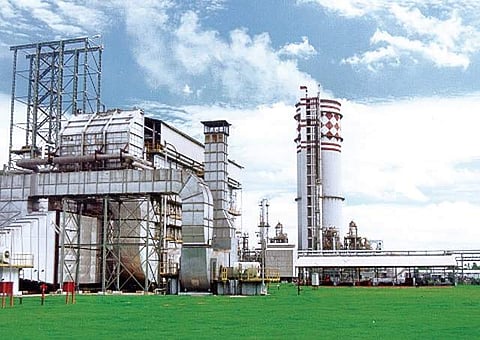

CHENNAI: Even as a battle for control rages on at the highest echelons of the Tata Group, an urea plant owned by Tata Chemicals is set to be sold to corruption-tainted Norwegian group Yara International ASA, subject to regulatory approvals. The deal stands in stark contrast to the publicly declared reasons for the ongoing tussle -- a fight for the “soul” of Tata Group and its espoused “values”, especially since the urea business is subsidised by taxpayer money.
In August, when Cyrus Mistry was still in charge as chairman of both Tata Sons and Tata Chemicals, the latter announced that it would sell its only urea plant in Barbala, Uttar Pradesh, to Yara Fertilizers India Ltd., a 100 per cent subsidiary of Yara International ASA for `2,670 crore. The sale, it added, would be completed within 9 to 12 months.
Yara International was already infamous for being the epicentre of Norway’s biggest corporate corruption scandal. Four of Yara’s former officials, including former CEO Thorleif Enger, were slapped with charges in 2011 for giving bribes (cumulatively amounting to $8 million) to officials in India, Russia and Libya.
In January 2014, Yara “accepted guilt” and was fined 270 million Norwegian Kroner (`225 crore). While three of the four convicted were acquitted on December 2 this year, the conviction against the fourth, a legal counsel, stands. The company has also not withdrawn its admission of guilt.
“Yara has not been involved in any court cases, but accepted guilt and paid a fine in January 2014. The corporate penalty was reduced due to the transparency and co-operation demonstrated by Yara,” said Esben Tuman, vice president, Head of Communications, Yara International ASA, responding to a query raised with Tata Chemicals on the ethicalimplications of the deal. Tuman also stated that “corruption is not tolerated” and that Yara had “voluntarily notified” and “fully cooperated with the authorities...”. The Group, he added, operates its “current business in a compliant way” and was “confident” it would be able to continue to do so after the acquisition of the plant. Tata Chemicals, the original addressee of the query, only responded with a statement through Keya Muriya in its Corporate Communications team. “Tata Chemicals follows the highest standard of ethical conduct and carries out due diligence for all its business and operations,” it said.
The firm has now taken centrestage in the feud between Mistry, and group holding company Tata Sons. Independent director Nusli Wadia, Wadia Group chairman and one of the most vocal supporters of Mistry, raised governance issues in the company a few days ago, stating that Tata Sons’ directors and certain Trustees of Tata Trusts allegedly influenced the management against the Board of Directors and independent directors. Both Wadia and Mistry stand to be removed from the board if shareholders vote against them during the extraordinary general meeting on December 23.
Tata Chemicals wanted to exit urea business for good
The Barbala urea plant is one of two fertilizer plants owned by Tata Chemicals in India. The plant produces only urea with an annual capacity of about 1.2 million tonnes. The sale will result in the transfer of TCL’s urea business along with the assets, liabilities, contracts, deeds etc to Yara India
