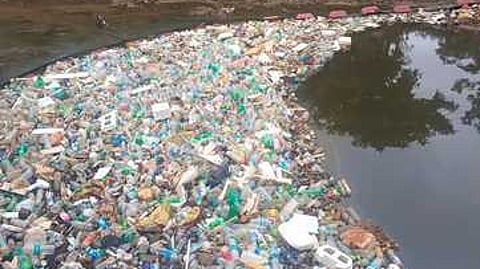

Global population, now at 8.1 billion, has intensified human activities, significantly contributing to pollution across land, air and water. In India, with a population of over 1.45 billion, plastic waste generation has reached alarming levels, producing approximately 26,000 tonnes every day. Disturbingly, only 8% of this waste is recycled while the remaining either ends up in landfills or leaks into the environment. This unchecked pollution impacts ecosystems, endangers wildlife and contributes to climate change through toxic gas emission during decomposition.
India is taking steps toward sustainable plastic waste management by emphasising circularity, better product design and enhanced recycling. By 2035, the government aims to recycle two-thirds of plastic waste, potentially reducing emissions by 20–50% and improving air and water quality. This roadmap reflects the commitment to mitigating environmental damage and promoting long-term sustainability.
Tamil Nadu, particularly Chennai, faces significant challenges due to improper plastic disposal. Plastics clogging drains and sewers obstruct water flow, especially during monsoons, leading to urban flooding. Floodwaters laden with plastics spread contaminants into drinking water sources, increasing the risk of waterborne diseases and exacerbating the strain on Tamil Nadu’s already limited water resources.
Improperly discarded plastics often infiltrate rivers, lakes and coastal areas, threatening aquatic life. Marine species, including fish and turtles, and birds ingest plastic debris, causing intestinal blockages, malnutrition and death. Plastics also release harmful chemicals like BPA, phthalates and heavy metals, further disrupting aquatic ecosystems and harming biodiversity.
In Chennai, plastic pollution’s impact extends to livestock, especially cows that roam freely in urban areas. Cows ingest plastic waste, mistaking it for food, which leads to digestive blockages, intestinal perforations and eventual death. The ingestion of plastics by cows also contaminates milk and meat with harmful toxins, posing health risks to humans. Consumption of these contaminated products can lead to foodborne illnesses, hormonal disruptions and long-term health issues like cancer.
Humans exposed to plastic toxins face additional risks such as respiratory problems, neurological disorders and immune system damage. The prevalence of microplastics highlights the urgent need for effective waste management and public awareness, especially in urban areas of Tamil Nadu.
To address plastic pollution, Tamil Nadu banned single-use plastics on June 25, 2018, with implementation effective January 1, 2019. This includes items like plastic sheets, plates, straws and bags. However, the enforcement remains inconsistent, necessitating stricter regulations. The ‘Meendum Manjappai’ campaign, led by Chief Minister MK Stalin, promotes eco-friendly practices by advocating the use of cloth bags instead of disposable plastics. Plans to establish a project management unit in Chennai aim to strengthen these efforts.
Tamil Nadu is also adopting a circular economy model to increase recycling rates and minimise waste. However, stronger action from state and central governments is required to enforce regulations effectively and boost public participation.
A growing threat
Plastic waste fragments into microplastics (< 5mm) and nanoplastics (< 0.0001mm) in waterbodies through mechanical and photochemical processes. These particles originate from sources like cosmetics, textiles and household activities. For instance, laundry releases synthetic fibres into water systems, significantly affecting aquatic life.
Humans are exposed to microplastics through inhalation, ingestion, and skin contact. Microplastics contaminate drinking water, seafood, poultry, fruits, vegetables, and even prepared foods, posing severe health risks. Exposure has been linked to oxidative stress, immune disorders, cancer, and impacts on the cardiovascular, nervous, and reproductive systems. Microplastics have been detected in human faeces, lungs, placenta, breast milk, and blood, emphasising their pervasive impact.
Call for action
Addressing plastic and microplastic pollution in Tamil Nadu and India requires coordinated efforts by governments, industries, researchers, and individuals. Key actions include enforcing plastic bans, advancing recycling technologies, and promoting biodegradable alternatives.
Public awareness campaigns must stress the hazards of plastic waste and encourage eco-friendly practices. Collective responsibility—from strict regulations to individual efforts—is essential to combat plastic pollution and ensure a cleaner, sustainable future for Tamil Nadu and India.
Footnote is a weekly column that discusses issues relating to Tamil Nadu
The cow link
Cows ingest plastic waste, mistaking it for food, which leads to digestive blockages, intestinal perforations and death. The ingestion of plastics by cows also contaminates milk and meat with harmful toxins, posing health risks to humans
(The writer is professor and head of the Centre for Waste Management and Renewable Energy, Saveetha University)
