
CHENNAI: Tamil Nadu's Commercial Taxes Department will begin offering virtual personal hearings and randomised allocation of GST refund claims from July 9, in a bid to ease compliance for the state's 12.4 lakh registered GST taxpayers, the department said.
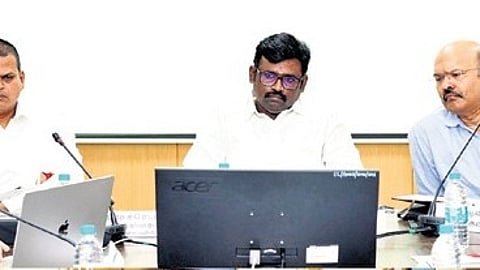
The facility will be available across all 338 State Tax Circles and will also be extended to the department's 15 appellate offices. The decision was taken following a review meeting of the department by T Lokesh Tamizhselvan, the state's Minister for Commercial Taxes and Registration.
The virtual hearing facility marks a significant shift in how the Commercial Taxes Department conducts adjudication proceedings. At present, taxpayers who receive scrutiny notices are required to appear before jurisdictional tax officers for personal hearings to explain discrepancies identified during return verification. The department has so far issued such notices, along with opportunities for personal hearings, in around 58,000 cases.
Under the new guidelines, taxpayers will be able to attend these hearings remotely if they are unable to appear in person because of unavoidable circumstances or are located in distant parts of the State. The department said the move is intended to uphold the principles of natural justice while reducing travel costs and improving access to tax administration.
In a parallel reform, the department has also introduced an automated system to allocate GST refund applications electronically to any jurisdictional officer within a division. The new mechanism removes manual intervention in the allocation process, with the objective of ensuring uniform processing and reducing delays.
GST refunds are particularly important for exporters and businesses with accumulated input tax credits, as they help ease working capital pressures. During the previous financial year, the department sanctioned GST refunds worth around Rs 5,000 crore.
While the GST law provides for several categories of refunds, most applications relate to unutilised input tax credit arising from zero-rated exports and inverted duty structures. The automated allocation system is expected to speed up processing, improve transparency and ensure eligible taxpayers receive refunds within the prescribed timelines.
Ponnuswami told The New Indian Express that CII had submitted a representation to the Tamil Nadu government seeking an automated system for allocating GST refund applications electronically. "The removal of manual intervention in the allocation process will enhance transparency and strengthen industry confidence in the refund mechanism," he said.
S. Chandramohan, Director and Group President – Corporate Affairs at TAFE, said the virtual hearing facility would help expedite assessments by reducing the need for physical appearances before tax authorities. However, he said taxpayers should continue to be given an opportunity to submit additional documents after the hearing, and assessments should be concluded only after such submissions have been considered.
On the automated refund allocation system, Chandramohan said retaining the process within the department would be beneficial as assessing officers would already be familiar with taxpayers' businesses. While he estimated that the measure would directly benefit around 15-20% of assessees in Tamil Nadu, since most large manufacturers fall under the Central GST administration, those covered under the State GST system would receive refunds faster, improving their working capital position.
