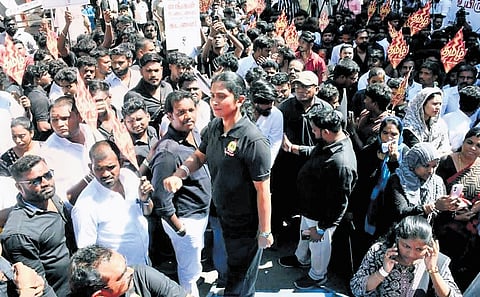

CHENNAI: After suffering a decisive defeat in the Assembly elections, the DMK has begun an internal restructuring exercise, marking a shift in the way the party functions. Moving away from a highly centralised decision-making process, the party leadership is increasingly relying on second-rung leaders, grassroots functionaries and district-level leaders to shape political strategies and organisational programmes.
As a part of the organisational reforms and restructuring to suit the changing political climate, DMK president MK Stalin has given a free hand to the party workers to take on the opposition politically and ideologically, focusing on people’s issues. Senior party leaders said the emphasis is now on reviving the cadre-driven model that once defined the DMK’s organisational strength.
According to several senior leaders that TNIE spoke to, all the party units have been encouraged to organise public interactions, grievance meetings and welfare initiatives without waiting for directions from the headquarters, but keep the party informed about the issues, campaigns, movements, and protests they initiate.
“Rather than issuing directives from the top, the leadership has asked second-rung leaders, party’s different units including youth wing and student wing leaders, district secretaries, constituency in-charges and booth-level workers to identify local issues, devise outreach programmes, organise protests, movements and formulate strategies suited to the political scenario of their respective regions,” a former MLA who did not want to be named said.
“The party has realised that a one-size-fits-all approach does not work across Tamil Nadu. Local leaders understand the aspirations and grievances of the people better than anyone else. They have now been given greater autonomy to respond to those concerns. The leadership believes this decentralised approach will help reconnect the party with voters after the electoral setback,” a former minister and sitting MLA added.
A senior leader in the party’s legal wing said the move also aims to restore the confidence of second-rung leaders and cadre, many of whom felt sidelined in recent years as decision-making became increasingly centralised.
“The leadership has also stressed that the focus should be on sustained engagement with the public rather than event-based political mobilisation,” he said.The cadre have been asked to remain accessible to people, take up local civic issues, partymen’s legal issues, and strengthen the party’s presence at the grassroots. The restructuring exercise is expected to continue over the coming months, with organisational responsibilities likely to be redistributed to more young people, and improve coordination between the headquarters and district units.
