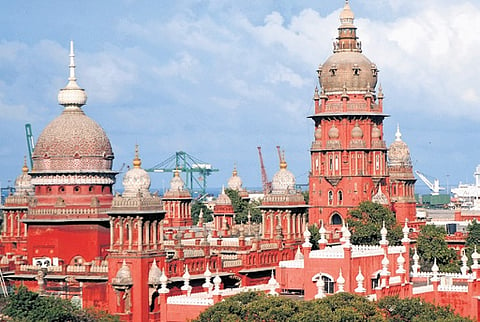

CHENNAI: The Madras High Court on Friday directed the Tamilaga Vettri Kazhagam (TVK) and the Election Commission of India (ECI) to file a counter-affidavit within eight weeks to the public interest litigation (PIL) petitions seeking a probe and consequent action against the party for allegedly using children for indirect electoral gain during the recent polls to the Tamil Nadu Assembly. It also remarked that it was bad to make appeals to the children for influencing their parents and family members to vote for the party.
“This is bad – to appeal to children,” said a division bench of Justices G R Swaminathan and V Lakshminarayanan, while hearing petitions filed by K S Gita and L Vasuki.
The court directed the respondents, including the TVK, DMK, AIADMK and the Election Commission of India, to file counter-affidavits and adjourned the hearing to July 1.
In her petition, Vasuki, an advocate, stated that TVK president C Joseph Vijay addressed a public meeting at YMCA grounds in Chennai on April 24 and called upon the “children to emotionally influence or pressure their parents” regarding voting preference in the elections.
She also raised allegations of bribing voters against the DMK and the AIADMK during electioneering.
Senior counsel S Muralidhar, representing the TVK, submitted that the model code of conduct is in existence during the conduct of the election. Once the election results are declared, the Election Commission goes off the picture.
Any allegations of corruption raised thereafter shall be made through an election petition. The question therefore arises whether it is in the power of the ECI to hold inquiry after the conclusion of the election on violations stated to have been committed during the conduct of the polls, he said.
Further, Section 153 (2) of the Representation of the People Act talks about “undue influence”, and “undue influence” is tested vis-à-vis individual candidates because there is no concept of disqualifying a party; there is only the provision for de-recognising one. These issues will have to be properly addressed going by the RP Act and the election conduct rules, Muralidhar added.
