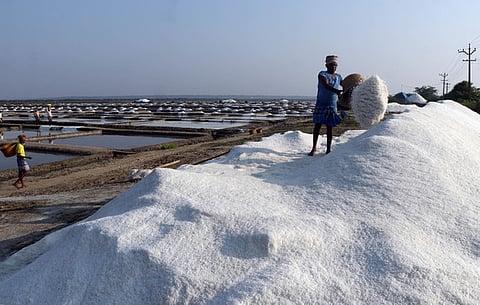

HYDERABAD: During the World Salt Awareness Week, observed from May 13 to May 19 this year, doctors stressed the need to limit sodium intake in the diet, which they said was responsible for a range of health issues from hypertension, blood pressure, to heart and kidney ailments.
According to the World Health Organisation (WHO), “World Salt Awareness Week aims to encourage the implementation of evidence-based interventions to reduce salt consumption in the population to protect cardiovascular health and help prevent many other diseases. This year’s theme is ‘It’s time to shine the spotlight on salt,’ highlighting the issue of the ‘hidden’ salt (sodium) in many processed and ultra-processed products. In many countries, three-quarters of sodium in the diet comes from ultra-processed and processed foods, such as bread, sauces and dressings, crackers and cookies, ready-to-eat meals, processed meats, and cheeses”.
A 5% DV (Daily Value) is low sodium serving per day and a 20% DV is high sodium serving per day.
The recommended DV of salt intake as per the WHO is 5 grams per day, which is approximately equal to one tablespoon. Doctors underlined ultra-processed food items as the major contributors for excess intake of salt.
Explaining the two types of salt consumption, Dr Shiva Raju K, head of the Medicine department at a leading private hospital, told TNIE, “When we talk about salt intake, we need to see the visible and invisible salt which is consumed on a daily basis. We can limit the amount of visible salt, which is used in the daily cooking, but we have no control over the invisible salt, which is present in the ultra processed, packed food items as well as street and junk food. We inadvertently consume more salt through these food items. ”
Dr Shiva Raju also expressed concern over childhood obesity and hypertension, which was observed in the 10-15 years age group, due to the ultra-processed food, as he also stressed on regular BP check up, especially for those individuals who had a family history of hypertension and BP.
Doctors said that reducing salt consumption in the diet was crucial and an effective way to keep the blood pressure and hypertension in check.
Dr Kala Jeethender Jain, consultant interventional cardiologist in a leading city-based private hospital, speaking to TNIE, said, “Consumption of excess salt can lead to hypertension, blood pressure, heart and kidney related ailments in the long run. Many hypertension and BP patients eventually suffer from cardiovascular diseases as they fail to limit the excess salt intake, in addition to a number of other reasons including unhealthy food habits and sedentary lifestyle. As much as 80% of hypertension patients become heart patients in future. We are also observing that the age bar for hypertension and BP is falling as many young people in the age group of early 20s are now experiencing these disorders.”
Dr Jain stressed on the DASH method (dietary approaches to stop hypertension), low sodium and high potassium diet, daily exercise to prevent hypertension and related ailments.
