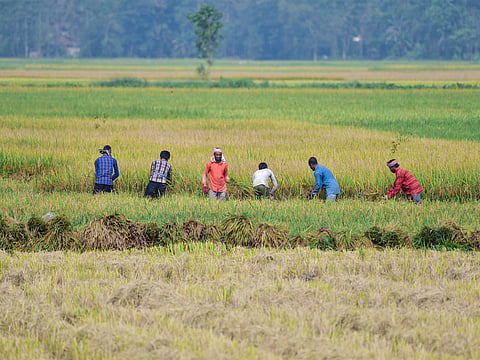

NALGONDA: With El Nino conditions expected to tighten their grip over Nalgonda, the district agriculture authorities have warned farmers against relying on water-intensive paddy cultivation, cautioning that falling groundwater levels and a possible power shortage for agricultural motors could leave them staring at heavy losses.
Officials said groundwater levels have already declined and are likely to fall further over the next two months if prevailing conditions continue. The groundwater table, which stood at 8.68 metres at the end of June last year, was recorded at 7.62 metres by the end of June 2026.
The warning comes as farmers who have sown rain-fed crops and raised paddy nurseries prepare to begin transplantation using borewells, open wells and lift irrigation. In Telangana’s highest paddy-producing district, the department has advised farmers using borewell and well irrigation to restrict paddy cultivation to 25% of their land and shift the remaining 75% to dry-land crops.
The department also warned that irrigation projects such as Nagarjunasagar, AMRP, Musi and Dindi are unlikely to receive adequate inflows. With low storage expected to affect hydel power generation, officials said supplying sufficient electricity to borewell and open-well motors could also become difficult.
Instead, farmers have been urged to prioritise low-water crops such as pigeon pea (kandi), sorghum (jonna), pearl millet (sajja), finger millet (raagi) and foxtail millet (korra). They have also been advised to cultivate oilseeds including sesame (nuvvulu), castor (aamudalu) and sunflower to minimise the risk of crop losses.
