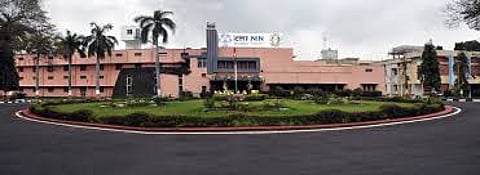

HYDERABAD: For millions living with diabetes, managing blood sugar is only part of the challenge, as long-term complications such as kidney failure, blindness and nerve damage often persist. Researchers at the Hyderabad-based National Institute of Nutrition (NIN) have developed a poly-herbal extract from five Indian spices that targets the mechanisms driving these complications.
The formulation — derived from ginger, cinnamon, black pepper, amla and turmeric — has been developed over a decade by the institute’s biochemistry division led by Dr G Bhanuprakash Reddy. Preclinical studies indicate strong potential in preventing nephropathy, retinopathy, cataracts and nerve damage.
Unlike conventional treatments focused on glucose control and weight management, the extract acts on key pathways including inflammation, oxidative stress, Advanced Glycation End-products (AGEs) and the aldose reductase pathway. Each ingredient contributes bioactive compounds known to inhibit harmful enzymes and reduce AGE formation. The standardised extract has shown stronger effects than earlier combinations in preliminary tests.
“Diabetes management needs to move beyond basic glucose monitoring,” Dr Bhanuprakash Reddy said, adding that the formulation helps regulate weight and blood sugar while slowing disease progression through multiple biological pathways.
ICMR-NIN Director Dr Bharati Kulkarni said the formulation is undergoing further evaluation, with clinical trials under way to establish safety and efficacy for human use.
Following successful studies in obese rat models, researchers have moved to human trials to assess its potential as a complementary therapy. Animal studies showed reduced cataract progression, lower kidney scarring and decreased protein levels in urine among treated subjects.
Overall, the findings suggest the formulation not only aids blood sugar control but also protects vital organs from diabetes-related damage.
