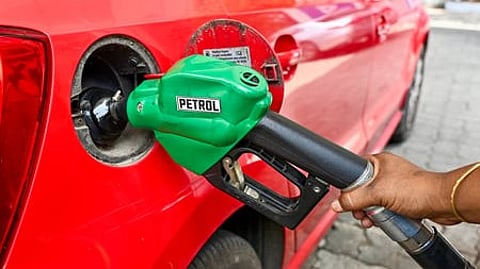

LUCKNOW: A sharp difference in fuel price between India and Nepal has transformed ordinary petrol pumps situated in the border districts, especially, Bahraich and Shravasti belt, in UP, into potential fuel smuggling sites, raising concerns for respective district administrations and border security agencies like Seem Suraksha Bal (SSB).
Authorities, concerned over the fact that cheaper Indian fuel is being smuggled across the open, porous border for profit, have deployed a three-tier monitoring system that begins at fuel stations and extends all the way to the border with Nepal.
Significantly, Uttar Pradesh shares roughly 579 km to 599 km of open international border with Nepal. This boundary runs across seven specific districts, including Bahraich, Shravasti, Pilibhit, Lakhimpur Kheri, Maharajganj, Siddharthnagar and Balrampur, in the northern Terai region and is actively patrolled by the SSB.
As per the official sources, petrol in Nepal costlier than in Uttar Pradesh, creating a lucrative incentive for illegal cross-border trade. The impact is most visible in the districts bordering Nepal as fuel demand in those districts surged sharply in recent weeks.
While the authorities hesitate in officially confirming organised smuggling networks, they acknowledge that fuel diversion remains a serious concern. So significant is the challenge that oil companies, district administrations and the SSB have established a coordinated three-layer surveillance system to track suspicious purchases and movement of fuel.
The first line of defence begins at petrol pumps, where officials are closely monitoring unusual refuelling patterns. Vehicles returning for repeated refills within short intervals are being identified through digital monitoring systems and by pump operators. Such behaviour is considered a potential indicator of fuel diversion. Officials say fuel sales to such vehicles are being restricted to normal consumption levels.
The second layer involves respective district administrations, which have been entrusted with conducting surprise inspections at petrol pumps, monitoring bulk purchases and keeping a watch on vehicles frequently travelling towards Nepal. Information collected from border districts is shared with oil companies and enforcement agencies to identify suspicious trends.
The third and most critical layer lies at the international border itself. SSB personnel have intensified surveillance and patrolling across vulnerable stretches, monitoring vehicle movement and known smuggling routes connecting villages on both sides of the border.
The sources claim it to be a joint effort wherein each level feeds information to the other, helping curb the chances of smuggling.
Meanwhile, the oil companies have increasingly turned to technology to tackle the problem. Automated systems are helping identify unusual consumption patterns and suspicious refuelling behaviour in real time.
The increased vigilance comes amid reports of fuel shortages and long queues at petrol pumps in several border districts. Officials, however, insist that Uttar Pradesh is not facing a fuel shortage. Instead, they describe the situation as a “demand distortion" created by a combination of panic buying, anti-hoarding restrictions and concerns over cross-border diversion.
However, the movement of people across border is relatively unrestricted. As long as fuel purchased in India can fetch substantially higher prices across the border, officials admit that the temptation to divert supplies will remain.
