
LUCKNOW: Kulwit Singh (name changed partially) is studying to be a doctor in Lucknow’s prestigious Chhatrapati Shahuji Maharaj Medical University. Belonging to a scheduled caste in the reserved category, he has not received his MBBS degree despite being a student since 1986! His batchmates and colleagues have become professors and heads of department, but Kulwit Singh is still struggling with his textbooks.
There is no dearth of such students living on the campus of UP’s medical colleges for decades. All have failed their exams anywhere between 10 and 25 times, but stay on, because there is no cap on the number of exams a student can take. The SC students now allege they were being deliberately failed by teachers who have a caste bias.
After a probe by the National SC/ST Commission, and external examiners appointed to recheck marksheets, the hapless students failed yet again. “There is bar coding system in copies of the written exams, so the examiners give marks on the basis of what a student has written. And if they haven’t done well, they are declared failed”, says a senior professor.
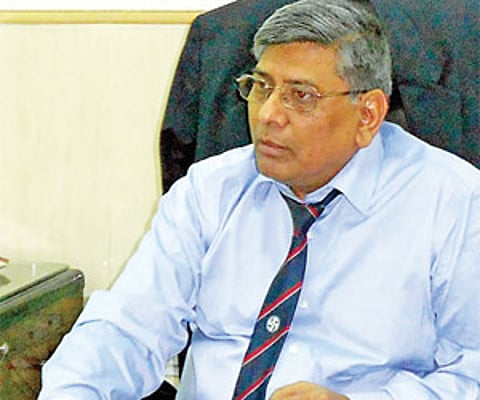
The vice chancellor of university, Dr D K Gupta, went a step ahead by knocking the doors of the Medical Council of India (MCI), recommending an action plan for such students to be passed. This has created a furore on the campus and has dangerous ramifications if implemented.
Gupta’s prescription for the failing SC/ST students are:
(a) Based on their previous performance, let MCI allow the failed students to pass, without sitting for more exams, as they have been failing for years.
(b) MCI may appoint a panel of examiners for theory and practical exams, so that the students do not allege any caste bias.
(c) MCI should cap the limit for sitting in exams.
(d) Only a maximum of six attempts should be allowed in all three professional examinations.
(e) Course to be completed in double the period of an MBBS course (nine years as of today).
Dr Gupta’s panacea for this chronic problem, prevailing in institutes including IITs and IIMs, is set to create more problems, rather than cure any. “This will further create a rift between the students of the general category and those in the reserved category. The former may ask why they are being punished for being good while nonperformers are being rewarded?” asks a female student of the physiology department, explaining that this would also leave the reserved category students stigmatised.
“If we are declared passed without exams, as the VC has proposed, we will neither get admission in the PG courses, nor will we get a government job. So what is the point of having such a bogus degree?” lamented Yogendra, an MBBS student.
Even teachers of the medical university are up in arms over the VC’s controversial move. “We will not tolerate this, and the Teachers’ Association has decided to meet on this issue,” told Dr Sanjay Khatri, general secretary of the Teachers Association while talking to The Sunday Standard.
However, Gupta says, “The number is swelling every year and there is no solution in sight.” He argues if they can be enrolled through special status, why can’t they passed using the same? The VC said that the university administration has been helping reserved category students with coaching, financial assistance and guides. But desired results are not forthcoming. The VC also says that students who are passed through discretion, should also be given their degrees through discretion. The MCI has so far rejected the MU VC’s suggestions.
“An ostrich-like approach will not end the problem,” said a professor of the university; reserved category students often try to politicise the issue to hide their weaknesses. It appears that the MCI and the governments—both state and Central—will have to jointly work out a remedy for this affliction plaguing most professional institutes in UP. In this school of medicine, with life and death at stake, the government is caught in a bind.