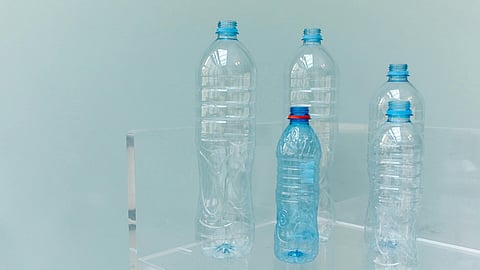

NEW DELHI: The ongoing Iran conflict has had an unexpected positive spinoff for the environment. The beneficiary: India’s plastic recycling industry.
Before the conflict began, virgin polyethylene terephthalate (PET) was the go-to packaging product for India Inc. This was despite the fact that the government had mandated adding 40% of recycled PET or r-PET to their procurement.
Two important ingredients for virgin PET were imported from countries like the UAE, Saudi Arabia, Qatar and Bahrain. With the conflict disrupted that critical supply chain, it gave the recycled plastic industry a huge breakthrough. From a pre-conflict monthly sourcing of about 5,000 tonnes of r-PET, orders has now surged to around 15,000 tonnes a month.
Goutham Jain, Director General of the Association of PET Recyclers (APR) Bharat, said, “If the war crisis persists, production capacity could reach 180,000 tonnes annually.”
Significantly, the cost of manufacturing virgin PET has shot up from Rs 90/kg to Rs 135/kg, while that of food packaging-grade r-PET climbed from Rs 95/kg to Rs 115/kg. The Food Safety Standards Authority has approved r-PET production capacity of around 300,000 tonnes, which represents 40% of the total PET consumption in the country. This approval is based on new regulations from the environment ministry, which mandates the inclusion of at least 40% r-PET in food packaging. However, the usage of r-PET at present in food packaging is only about 20%.
Experts say the regulations are slanted towards virgin plastic consumers as they allow industries to defer their recycling targets without immediate penalties or minimal penalties.
