
DHAKA: Bangladesh raised electricity prices by 16 percent on Wednesday, the latest increase as the government seeks to ease pressure on state finances caused by the conflict in the Middle East.
The South Asian nation of 170 million people depends heavily on imports for its energy needs. Repeated price hikes have added strain on people struggling with long-running inflation which hit 9.04 percent in April.
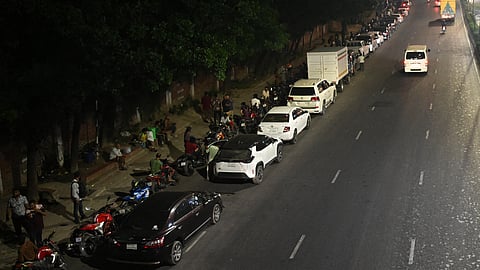
Jalal Ahmed, chairman of Bangladesh Energy Regulatory Commission, announced the 16 percent hike two days after fuel prices were raised, taking kerosene to 135 taka ($1.09) per litre up from 130, and petrol to 140 taka from 135. Diesel was unchanged.
According to the government's Bangladesh Power Development Board, around 44 percent of installed capacity comes from natural gas, 24 percent from coal, and another 24 from oil and diesel.
Bangladesh's first nuclear power plant is nearing operational readiness, with the first phase of uranium fuel loading already completed.
As electricity demand surges in summer, when temperatures in Dhaka hit 35C, rural areas have experienced disruptions in power supply, although the capital and other major cities have largely avoided frequent outages.
Dhaka in March said it was seeking loans of around $2 billion from multilateral donors to tackle energy security concerns sparked by the surging fuel prices caused by the Iran war.
In May, the International Monetary Fund said it was in negotiations for a new assistance programme at Dhaka's request.
Bangladesh is already in the middle of a $5.7 billion IMF programme, which began in 2023 and was due to run for four years.
