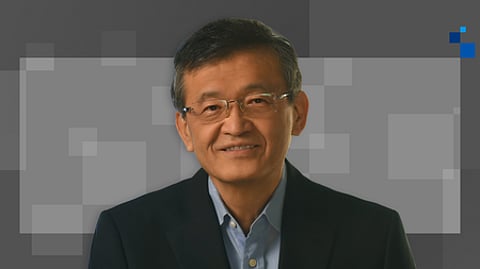

CHENNAI: President Trump has called for the resignation of Intel CEO Lip-Bu Tan, citing allegations of conflicts of interest. The criticism focuses on Tan’s investment and management ties to several Chinese companies, some reportedly linked to Chinese military contractors.
Intel, the US technology giant and the world’s largest maker of computer processors and semiconductor chips, has received substantial subsidies under the US CHIPS Act to expand domestic manufacturing. This has heightened scrutiny, as a CEO with alleged financial ties to China raises politically sensitive questions about national security and the optics of leading a federally supported semiconductor company.
The controversy has drawn attention from lawmakers such as Senator Tom Cotton, who have questioned Tan’s past roles and investments. This congressional pressure has given the President more political space to criticise him publicly. Tan, however, has defended himself, stating that he enjoys the full backing of Intel’s board.
Intel has said that Tan has divested from some positions, but public filings still list certain investments as current, raising questions over whether the divestments are complete. Trump’s call for his resignation rests on three main premises: concrete national-security concerns over Tan’s China investments; political leverage arising from Intel’s receipt of large US subsidies; and the President’s broader pattern of publicly pressuring corporate leaders.
The outcome will depend on the credibility of Intel’s disclosures, the clarity over Tan’s divestments, and whether the board maintains its support.
According to a recent Reuters report, critics, including Trump, say Tan has long-standing investments in numerous Chinese firms — some allegedly linked to military contractors — through venture funds he founded or managed. Intel’s receipt of large CHIPS Act subsidies to build domestic fabrication plants makes Tan an easy political target for those arguing for stronger US semiconductor security, the report said.
Senator Cotton and other lawmakers have raised similar concerns, giving the President concrete talking points for his public demand. The Wall Street Journal has noted that Trump’s approach is consistent with his pattern of pressuring corporate leaders on matters of policy, national security, and trade, making this move both substantive and strategic as a show of toughness on China.
Intel and Tan have reiterated that the CEO has the board’s full backing and shares the goal of protecting US national security. Another Reuters report said Tan had divested certain positions, but investment databases still list some as current, leaving the factual ambiguity unresolved and the controversy alive.
