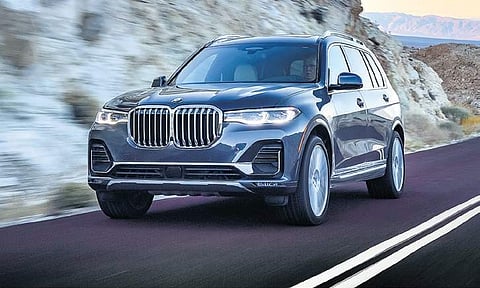

NEW DELHI: In the wake of rupee depreciation, BMW Motorrad India on Friday announced a price increase of up to 6% across the range, effective 1 January 2026. The German automaker will also increase prices of its cars by up to 3% from January 2026.
Earlier, BMW had announced a price hike of up to 3% across its entire model range, effective September 1. This marked the third price revision by BMW India in 2025.
Hardeep Singh Brar, President and CEO, BMW Group India said, “Pressure from forex due to Indian Rupee’s sharp depreciation against US dollar and Euro has not eased for several months now and the input costs of raw materials and logistics have been impacted. The planned price hike measure will ensure necessary profitability and continued value generation for the company as well as our dealer partners.”
Compared to the levels seen last year, the rupee has depreciated around 6% against the US dollar. In the case of the British pound and the Euro, the decline is in double digits. India imports most of its luxury cars or components for luxury cars from Germany and the United Kingdom.
BMW currently sells a range of luxury cars and SUVs, including electric vehicles, starting with the 2 Series Gran Coupe priced at Rs 45.3 lakh and the XM tagged at Rs 2.54 crore, in the Indian market. BMW Motorrad currently sells two-wheelers in the price range of Rs 2.81 lakh and Rs 33 lakh.
Last week, Mercedes-Benz said that it will raise prices across its entire model range, effective January 1, 2026. The hike, capped at 2%, reflects persistent forex pressures that have defined the luxury auto segment throughout 2025.
Mercedes said that the currency environment has created substantial cost pressures across the supply chain, affecting both imported components for local assembly, as well as the import of CBU (completely built-up vehicles). It added that despite the company's aggressive localisation strategy, which continues to absorb the bulk of increased costs, a selective price adjustment has become essential to maintain operational sustainability.
BMW Group and Mercedes, the two leading luxury automobile brands in India, are the first ones to announce a price hike following changes in GST rates for passenger cars in September this year. Under the revised tax structure, the GST on luxury vehicles has come down to 40% from 45–50%.
