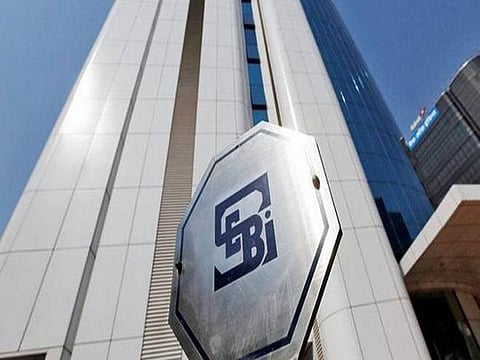

Here's a simple breakdown of the what, why, and how of the Jane Street saga. The case finally reached the regulator SEBI on July 3, resulting in a ban on the Wall Street proprietary trading giant. Jane Street, which operates in over a dozen markets worldwide, had been exploiting India's largest derivatives exchange, the NSE, for years.
By manipulating the prices of the 12-stock Bank Nifty index, the firm earned over one-fifth of its $20.5 billion net income from this single market. Their strategy involved artificially inflating prices to lure unsuspecting retail investors into buying those stocks or their derivatives. Once prices hit their targets, Jane Street would offload its positions, leaving retail investors with the losses.
According to Sebi’s initial assessment, JS Group entities have pocketed a whopping Rs 36,502 crore by this pumping and dumping strategy between January 1, 2023 and March 31, 2025 just from manipulating primarily three (HDFC Bank, ICICI Bank and Kotak Bank which constitute as much as 65% of the sectoral index weighting) of the 12 Bank Nifty stocks -– all in just 21 trading days and Rs 735 crore in just one day on January 17, 2024!!!
Unearthing their nakedly illegal practice, the Sebi in an interim order, issued by its whole time member Anantha Narayan G, banned the from the market as well as ordered impounding of Rs 4,843.5 crore of illicit gains they made, which it hopes to recover from their Rs 15,000 crore of Gsecs holding as from July one, the regulator has restricted a traders carry forward derivatives positions to just about Rs 1,500 crore. While the order is interim, the bank on them is in force from the date of the order and will continue till the final order is issued or courts lift/stay the order or until the company returns the alleged unlawful gains of Rs 4,843 crore.
What is Jane Street and How Big is It?
Founded in 2000 by a team of traders and technologists in New York, Jane Street is a global proprietary trading giant with over 2,600 employees across its five offices across the US, Europe, and Asia and trades in 45 countries. It deploys very complex algorithms all developed in-house to execute high frequency algo trades. I entered the domestic market only in 2020 and has three subsidiaries in the country-- JSI Investments, JSI2 Investments, Jane Street Singapore, and Jane Street Asia Trading—along with Nuvama Wealth Management as their local partner for cash trades, given that foreign traders cannot directly trade in the cash segment.
In 2024, it made a whopping $20.5 billion in net income, a fifth of which was made from pumping and dumping Bank Nifty. This is the combined profit of much bigger Wall Street players like Citi and Bank of America have made together in the year. However, the entire gamut of their gaming will be out only when Sebi completes the probe into other indices and exchanges, which Sebi sources say will take at least six months.
On just 21 days of trade between January 1, 2023 and March 31, 2025, it made a whopping Rs 36,502 crore from the country just gaming the Bank Nifty. But Sebi says all of this is not illegal. The Sebi breakdown is: Rs 43,289 crore in index options; Rs 900 crore in stock options, and losses of Rs 7,208 crore in stock futures (which Sebi says is purposefully sold in losses) and Rs 288 crore loss in cash segment which again was as planned.
Of this it made a whopping Rs 735 crore from Bank Nifty on January 17, 2024 alone—which in fact was the beginning of their undoing as well. Because Sebi began to monitor them more closely from that day onwards.
When Did Jane Street Come Under Sebi Radar?
Last year, the JS Group sued its Wall Street rival Millennium Management and its ex-employees Douglass Schadewald and Daniel Spottiswood in a New York court. They were accused of allegedly stealing confidential trading strategy and sharing it with their employer Millennium. Its lawyers claimed that the now stolen strategy was JS’ most profitable one having helped it earn $1 billion in net income from one market in 2023 which the lawyers of Millennium and Schadewald and Spottiswood inadvertently identified as India during the court arguments.
JS also admitted that since it lost the tech clout due to stealing by these two men, its profit from this tool alone fell by 50% in March 2024 as Millennium also started benefitting from this. In fact it is this $1 billion figure which JS did not dispute in the court is what alerted Sebi to closely watch its dealings in the country
Sebi’s probe into JS also was part of its effort to mitigate the steep losses that retail traders were making in the derivatives space. Its own study has found as much a 93% of retail lost money
Given that the NSE is the world's largest derivatives exchange, controlling as much as 60% of global equity derivative trading volume of 7.3 billion trades in April-- down from over 75% of global trade before Sebi clamped down a lot from November 20, 2024. And the retail investors are the most vulnerable to high-risk derivative trading, with 93% of them making losses according to Sebi’s own study released last September which quantified the per trader loss at a whopping Rs 1.25 lakh in FY24.
"The findings of an earlier research report by Sebi, which inter alia states that 93% of retail investors made losses when trading in the options market, now gain additional context. Such losses, when juxtaposed with the abnormally high profits made by the JS Group entities as a result of the prima facie manipulation of the cash, futures and options markets, are reflective of the deep damage that the group has inflicted through their illegal activities," Narayan said in his order.
Following this US case revelations, Sebi in April 2024 began analyzing the proprietary trades by JS. There were also media reports that unauthorised algo trading was rampant in the system. Then on January 17, 2025, Sebi found highly volatility in Bank Nifty (after HDFC Bank result on Jan 16) when the index plunged by 2200 points in the first 7 minutes of the trade from 47000. After this, Sebi asked NSE to warn them first which the exchange asked them to cease and desist from their pumping and dumping strategy on February 6 2025.
And JS assured the exchange and Sebi that they would behave but again they resumed the game in May on all weekly expiries. “This was the last nail on the Sebi’ patience,” a source told TNIE Saturday.
Why the Sebi Ban?
In its 105-page order along with 500-odd pages in the annexures, Sebi, in detail has flagged the “manipulative” and “fraudulent” trades by Jane Street that mostly took place on the expiry day of the Nifty Bank index weekly options contracts and in its underlying constituents in the cash market.
Sebi alleges—as it can be challenged in the SAT, High Court and finally in the Supreme Court--that Jane Street has been manipulating the Bank Nifty index by making aggressive trades in the morning to push up the index, only to reverse those trades later while holding option positions that profited from these moves. Over a the two-year period, beginning January 1, 2023 and March 31, 2025 and then on all the weekly expiry days of the Nifty in May 2025, they are said to have made Rs 43,289 crore in gains from options—a significant chunk of which Sebi believes came through unfair means as it controlled almost a quarter of the entire volume.
Main Trigger--Jan 17, 2024 Profit of Rs 735 crore
The first main trigger for the Sebi to keep them under closer watch was the whopping Rs 735 crore profit they made on from Bank Nifty on a single day on January 17, 2024—which in fact was the beginning of their undoing as well. Because Sebi began to monitor them more closely from that day onwards. This profit minting between January 2023 and March 2025 had them pocketing as much as Rs 36,506 crore.
Why an Interim Order?
When asked why the Sebi issued an interim order and not a show cause notice to JS group, a source pithily told this newspaper that “else more and more retail traders who dabble in derivatives and have losing heavily would have lost more and people like JS would have made more illicit money by gaming the system.”
Why Sebi Took so Long to Act?
The case so complex and they had to analyse truckloads of data from NSE and other market intermediaries. Also it required processing and reprocessing of such complex data to establish clear patterns of market manipulation to ensure that a water tight case is made out.
Is Sebi Probing More?
Fearing more skeletons tumbling out of the market cupboards Sebi sources have told TNIE that it has widened an investigation into alleged market manipulation to include other indexes and exchanges. But a detailed final report will take at least six months more given the Himalayan quantum of data to be mined.
Are Retail Investors at Risk? Key Lessons for Them
Sebi has temporarily barred Jane Street from the stock markets and impounded Rs 4,843 crore for alleged index manipulation, raising concerns about retail traders' vulnerabilities in derivatives trading, which has reignited concerns over just how exposed and powerless retail traders remain in the high-stakes world of derivatives trading.
Given that the NSE is the world's largest derivatives exchange, controlling as much as 60% of global equity derivative trading volume of 7.3 billion trades in April-- down from over 75% of global trade before Sebi clamped down a lot from November 20, 2024. And the retail investors are the most vulnerable to high-risk derivative trading, with 93% of them making losses according to Sebi’s own study released last September which quantified the per trader loss at a whopping Rs 1.25 lakh in FY24.
"The findings of an earlier research report by Sebi, which inter alia states that 93% of retail investors made losses when trading in the options market, now gain additional context. Such losses, when juxtaposed with the abnormally high profits made by the JS Group entities as a result of the prima facie manipulation of the cash, futures and options markets, are reflective of the deep damage that the group has inflicted through their illegal activities," Narayan said in his order.
This kind of manipulation, if proven true, not only distorts the market but also harms retail investors who trade with trust and limited capital.
Those retailer traders who are in the derivatives space must closely watch the derivatives and cash markets together as manipulators often trade in both the stock and the options market to create fake price moves. If Sebi builds systems that track both markets together and raise alerts when something looks suspicious.
Sebi could also make foreign traders more transparent as big foreign firms often trade through complicated structures. The regulator should know who is really behind those trades, and that they follow its rules clearly.
Another way to tighten rules around expiry day. Since these manipulations happened on the weekly expiries, Sebi should set limits on how much one can trade on expiry; and ask for extra margin on risky positions which will make it harder for anyone to move the market just to benefit from options.
