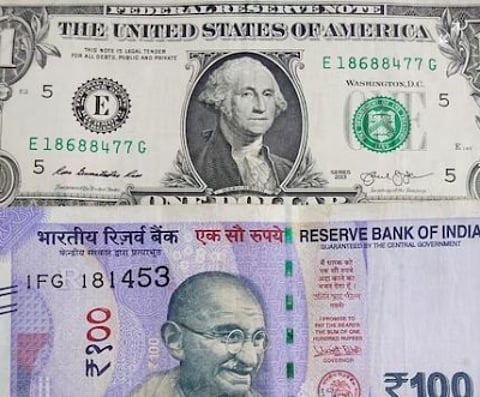

CHENNAI: The Indian rupee traded in a narrow but volatile range during the week ended October 17, showing resilience despite global uncertainty and continued strength in the US dollar. After beginning the week under pressure, the rupee recovered sharply midweek, supported by dollar weakness and timely intervention from the Reserve Bank of India (RBI).
The domestic currency opened around 88.66 per dollar on October 13 and slipped to nearly 88.78 on October 14 amid risk aversion in global markets and firm crude oil prices. Sentiment improved midweek as the dollar softened and expectations of US rate cuts gained ground. The rupee strengthened to around 87.81 on October 15 and remained stable near 87.99–88.00 through the rest of the week.
Traders said the RBI was active in the market through state-owned banks, selling dollars at key levels to curb excessive volatility. The central bank’s actions helped restore confidence and prevented the rupee from breaching the 88.80 mark, which many viewed as a crucial resistance zone.
The rebound was also aided by a mild return of foreign portfolio inflows, particularly into banking and large-cap equities. Foreign investors turned net buyers after weeks of steady selling, offering marginal support to the currency. Domestic equity strength toward the end of the week further limited downside pressure.
However, analysts pointed out that the rupee remains vulnerable to external headwinds, including trade tensions, high US yields, and tariff-related uncertainty. The dollar index hovered near multi-week highs early in the week before easing, while global risk sentiment remained choppy due to concerns about US–China trade policy and slowing global growth.
Market participants believe the RBI may be informally defending levels around 88.00 per dollar and could continue to smooth volatility if external conditions turn adverse. The near-term range is expected between 87.70 and 88.50, with direction largely dependent on dollar trends, foreign inflows, and oil price movements.
In summary, the rupee ended the week nearly flat, having recovered most of its early losses. The currency’s stability reflected a balance between global pressure and domestic policy support, leaving it well-anchored ahead of upcoming macroeconomic data and the next phase of corporate earnings.
