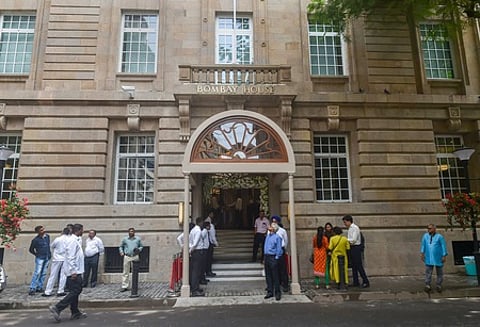

CHENNAI: The future of Ratan Tata confidant Mehli Mistry’s position on the Tata Trusts board remains uncertain, with key trustees reportedly divided over his term renewal. Mistry’s current tenure at the Sir Dorabji Tata Trust and the Sir Ratan Tata Trust—two of the main charitable entities that together control a majority stake in Tata Sons—expires on October 28.
According to reports, while some trustees have supported Mistry’s reappointment, others, including Chairman Noel Tata and Vice Chairman Venu Srinivasan, are understood to be reluctant to approve it. The split comes amid rising internal differences over governance norms and the process of trustee renewals.
Adding to the complexity, Mistry is said to have linked his consent for Srinivasan’s renewal to the same conditions being applied to all trustees. This unusual move has drawn attention to the growing tensions within the Trusts, which have traditionally operated on consensus and discretion.
The Tata Trusts collectively hold a controlling 51 percent stake in Tata Sons, making their board decisions central to the overall direction of the Tata group. Historically, trustee renewals have been routine, with decisions taken unanimously. However, this time the process has become contentious, suggesting deeper disagreements over leadership styles and the Trusts’ strategic role in group affairs.
Observers see the current deadlock as a reflection of shifting dynamics within the Tata philanthropic structure, especially in the post–Ratan Tata era. Mistry, known to be a long-time associate of Ratan Tata, has played a quiet but influential role in trust management. The resistance to his continuation is being read as part of a broader rebalancing of influence at the top.
If Mistry’s renewal is not approved, it would mark a rare departure from established practice and could raise questions about stability and governance within the Trusts. Conversely, if he is retained with conditions, it might formalize a new, more structured framework for trustee appointments—one that replaces long-standing conventions with clearer institutional processes.
Industry watchers say the outcome of the renewal will carry implications not only for the Trusts but also for Tata Sons, which relies on their unified oversight. Any prolonged discord could spill over into the conglomerate’s broader decision-making, including ongoing deliberations about Tata Sons’ potential listing and governance reforms.
As the October 28 deadline approaches, the decision on Mehli Mistry’s renewal has become a focal point for the Tata Trusts. Beyond one individual’s fate, it highlights a deeper transition within one of India’s most influential corporate institutions, testing the balance between legacy, leadership, and evolving governance expectations.
