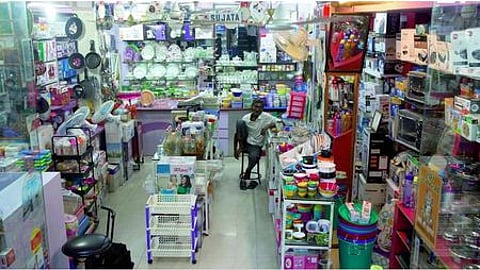

Despite the new GST rates taking effect on September 22, retailers across sectors like pharma FMCG and textiles are struggling to pass on the revised pricing for end products to the customers. Many retailers claim that they don’t have clarity from the companies regarding the final pricing for the consumers. Many retailers expect it will take weeks before consumers see the impact on shelves.
The biggest challenge for the retailers is unsold inventory purchased under the older tax slabs. Several retailers said it will be challenging to pass on the new rates unless the stock is cleared. Few are planning to add older stocks with the new stocks to adjust the price.
“We still don’t have the clarity on how we are supposed to bill the products at the new rates. There has been no change in the pricing so far for the end product,” said Pallvi Nagpal, owner of women’s apparel shop Sarojini in Delhi NCR.
Similar uncertainty prevails among retailers in the apparel and textile sectors across the country. While some have reduced the prices to reflect lower tax outgo, most continue to seek clarity.
“We are not able to sell the finished products to the shops and distributors at the new rates because they had bought the threads at 12% rate and it would not be possible to sell it at low GST rates for finished products to the distributors too,” said Shaheed Ansari, a weaver from Varanasi. Industry associations, he added, are yet to issue guidance on final pricing.
In Chennai, local apparel and textile retailers have begun modest markdowns. “We are putting the prices which have been told to us by the senior executives,” said a local shop owner. Pharma retailers face similar difficulties. With stocks procured months in advance, they say immediate revision is not feasible. “If we still have older products left after a few months, then we might have to send those back to the companies as consumers won’t be willing to buy products at the old rates, when medicines at the new reduced rates are available,” said Abhishek Banik, a pharmacy shop owner in Kolkata.
Even kirana store owners voiced concerns over incurring initial losses, though supermarkets, e-commerce platforms and departmental chains have managed to reflect revised prices more quickly. Supermarkets like MORE are providing additional counts to customers but overall expect to incur some losses.
“Small retailers may see cascading cost increases, eroding margins if they pass on hikes, or losing competitiveness if they absorb them. This is exacerbated by high festive-season demand, where price sensitivity is acute. The simplified slabs ease long-term compliance, but short-term disruptions, like updating POS systems, invoices etc add costs without immediate revenue gains,” said Suresh Nair, Indirect Tax Partner, Consumer Products and Retail, EY India.
According to Karthik Mani, partner, indirect tax, BDO India, while large format retailers should be able to address the transition issue quickly considering their IT infrastructure, the small retail stores may face some challenges to update new prices, considering the quantum of changes, which are practically affecting 1000’s of SKUs which they stock and sell.
