
NEW DELHI: Prime Minister Narendra Modi on Saturday said that Indian companies have positioned the country among a select group of five nations globally that possess completely indigenous technology to launch 4G services. While inaugurating and laying the foundation stone for multiple development projects in Odisha’s Jharsuguda—worth over ₹60,000 crore—Modi highlighted the launch of BSNL’s fully indigenously developed 4G technology as a major step towards self-reliance.
“India has taken a significant step towards self-reliance,” he said, emphasising the importance of developing key technologies within the country.
The Prime Minister recalled that when telecom technologies such as 2G, 3G, and 4G were launched globally, India was heavily dependent on foreign technologies and lagged behind in adoption. He said this dependency was not suitable for a nation like India, leading to a national resolve to develop indigenous telecom solutions.
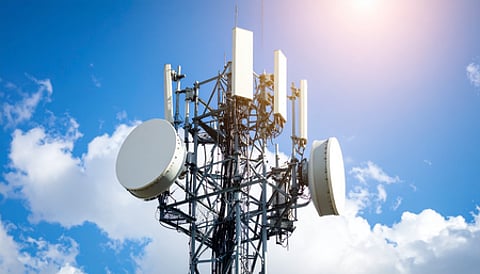
Modi said it was a matter of pride that BSNL’s indigenous 4G network is being launched from Jharsuguda. Nearly one lakh 4G towers are being deployed, aimed at improving connectivity in remote regions across the country.
Highlighting a significant milestone, he noted the coincidence of BSNL’s 25th anniversary with the launch. On this occasion, he praised the efforts of BSNL and its partners, saying India is now advancing towards becoming a global hub for telecom manufacturing.
The Prime Minister also noted that the expansion of 4G services will directly benefit over two crore people across the country.
He further added that India has already rolled out the world’s fastest 5G services and that the newly inaugurated BSNL towers are equipped to support 5G as well. BSNL has commissioned over 97,500 mobile 4G towers, built at a cost of approximately Rs 37,000 crore, using completely indigenous technology. This includes more than 92,600 4G sites developed and deployed by BSNL.
Additionally, over 18,900 4G sites funded under the Digital Bharat Nidhi scheme will connect around 26,700 unconnected villages in remote, border, and left-wing extremism-affected areas, serving more than 20 lakh new subscribers.
