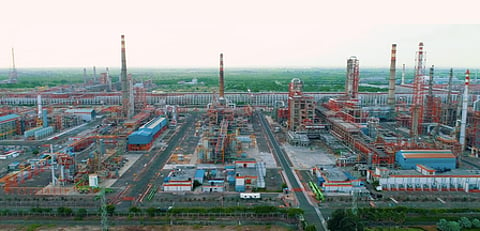

CHENNAI: Nayara Energy is gradually restoring operations and sales after being hit by European Union sanctions in July that triggered a sharp slowdown in refinery activity, disrupted exports, and prompted the exit of several top executives.
The sanctions, imposed due to Nayara’s links with Russian crude supplies and shipping networks, restricted access to European banking, insurance, and shipping services. In the immediate aftermath, the Vadinar refinery reduced run rates to about 70–80% of capacity, while several European executives, including the chief executive officer, resigned. Indian banks also limited foreign trade transactions with the company, adding to its operational stress.
Despite the initial shock, Nayara has managed to stabilize its business. The company has stepped up domestic fuel sales, including higher supplies to Hindustan Petroleum Corporation Ltd (HPCL), helping offset lost exports, say reports quoting sources familiar with the development.
The refiner has also found new overseas buyers, redirecting shipments to markets such as the Middle East, Turkey, Taiwan, and Brazil, though export volumes remain below earlier levels, the reports quoted highly placed sources. Operational bottlenecks have eased after Microsoft restored IT services that were suspended post-sanctions, while the Indian government cleared UCO Bank to process the company’s international payments. Nayara has also relied on alternate logistics, including road and rail distribution, as global shipping firms remain cautious about lifting its cargoes.
To manage leadership churn, the company had recently appointed Sergei Denisov, formerly chief development officer, as the new CEO. The move is part of a wider restructuring aimed at aligning the company with sanction-era operating realities.
However, challenges persist. Saudi Arabia and Iraq have halted crude shipments to the refiner over sanction concerns, leaving Nayara more dependent on Russian barrels. Access to international banking and insurance also remains limited, and shipping constraints continue to pressure export flows, reports say.
Oil & Gas industry analysts say while the company has shown resilience in adapting to new markets and domestic demand, its future outlook depends on how effectively it can secure crude supplies and manage compliance risks in a tightening regulatory environment.
