
Within a week of concluding trade negotiations with India, the US has finalized a deal with Bangladesh as well. The contours of the two deals underline Washington’s differentiated approach towards the two South Asian developing economies, and the competitive pressures India may face as a result.
Under the interim US-India framework, New Delhi has agreed to eliminate or reduce tariffs on a wide range of American industrial and agricultural goods, including wine and spirits, while the US will lower reciprocal tariffs on Indian exports from 25% to 18%. It has also removed the 25% additional tariff on Indian goods.
By contrast, the US-Bangladesh deal gives Dhaka preferential market access, with reciprocal US tariffs lowered to 19% from 20% earlier, while providing zero-duty access for select products, notably textiles and apparel, subject to conditions. Bangladesh’s commitments extend deeper into regulatory reforms, including acceptance of US safety and FDA standards, freer cross-border data flows, labour rights reforms, environmental safeguards and stronger intellectual property protection.
Unlike India, which has adopted a calibrated and protectionist approach to safeguard highly sensitive farm sectors, Bangladesh has opted for a more liberal approach by opening the farm sector. Bangladesh has committed to import about $3.5 billion worth of US agricultural products, including wheat, soya, cotton and corn, signalling a willingness to open its domestic market more decisively. India has refrained from opening dairy and several other agri products.
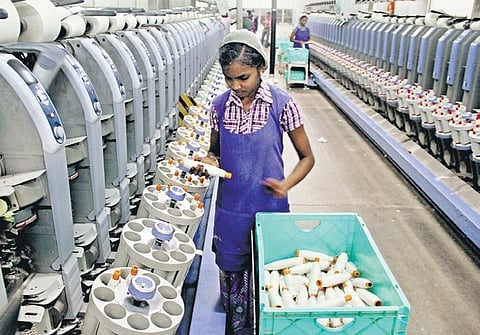
India’s textiles and apparel, the worst-hit after the US imposed tariffs of up to 50% in August, got some relief with the US bringing down tariffs to 18%. Under the US-Bangladesh agreement, certain Bangladeshi textile and apparel products made from materials imported from the US will get to tap the US market at a zero duty. India, despite securing lower duties on the US cotton imports, has not yet obtained comparable preferential access for its textile exports.
Finally, the Trump administration has asked India to directly or indirectly stop purchase of Russian oil and warned that the US will be monitoring India’s energy purchase. However, India and the US haven’t yet set any target for the energy purchase. But Bangladesh has set a target of purchases of energy products from the US, with an estimated value of $15 billion over 15 years.