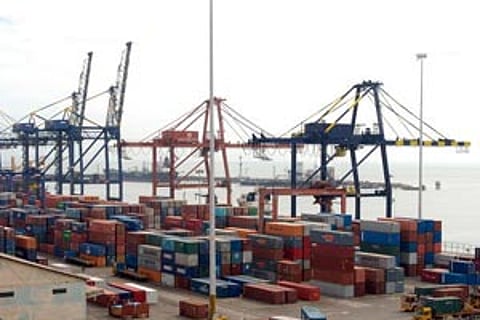

The Ministry of Commerce is pushing to introduce provisions in Budget 2026 aimed at reviving India’s Special Economic Zones (SEZs), amid a steady decline in the number of operational units, according to an official familiar with the matter. The proposed measures are expected to complement the broader overhaul of customs duties, which Finance Minister Nirmala Sitharaman has said will be one of the key focus areas of the upcoming Budget.
“We are trying to introduce some additional provisions for SEZs to revive them,” the official said, requesting anonymity. The push comes as several SEZs continue to grapple with structural challenges, even as overall exports from these enclaves have risen significantly over the past few years.
Recent data tabled in the Lok Sabha shows that 466 units across seven major SEZs shut operations between FY21 and FY25. Closures peaked in FY22, largely due to the pandemic, and again in FY25, underscoring persistent stress in the sector. The shutdowns also affected employment despite increases in investment and export value from operational units. Employment in SEZs fell to 31.77 lakh in FY25 from 31.94 lakh in the previous year.
Industry representatives have flagged several regulatory hurdles that they say are constraining the competitiveness of SEZs. These include demands for exemptions from quality control orders (QCOs), minimum import price norms, and port-related restrictions, which they argue raise costs and slow imports of critical inputs. SEZ developers and units have also sought changes to policies governing Free Trade Warehousing Zones, including permission to import new vehicles, greater flexibility for domestic sales, and allowing reverse job work to help utilise idle capacities.
A NITI Aayog report prepared by a committee chaired by former cabinet secretary Rajiv Gauba flagged similar concerns, calling for an overhaul of SEZs and the policies governing them. The report noted that outdated SEZ rules have limited their integration with the domestic economy, preventing them from fully participating in broader manufacturing value chains. It recommended modernising the legal framework so that SEZs operate as part of a larger manufacturing ecosystem rather than as standalone export enclaves.
Implementing these recommendations would require amendments to the SEZ Act, a move that has been under discussion for several years. With Budget 2026 approaching, the commerce ministry is hoping for targeted fiscal and policy measures to revive the functioning of SEZs and reposition them as engines of manufacturing growth and employment generation.
