
BENGALURU: Are people around you ‘under the weather’ lately? The damp and humid environment creates a breeding ground for bacteria and viruses, leading to an increase in common illnesses like colds and flu. Celebrity nutritionist Rujuta Diwekar in her audiobook, 'Eating in The Age of Dieting on Audible', elaborates on how maintaining good health during the monsoon is easier than we think. Here are five foods that she recommends
Spiced-Up Chai
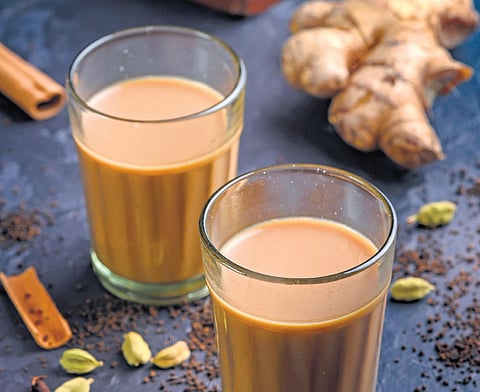
With monsoon comes the desire to sit by the window sipping a hot cup of tea. Add ginger and tulsi for digestion and immunity; add lemongrass to prevent bloating and congestion; add black pepper or cinnamon to improve insulin sensitivity.
Indigenous Produce
“The soil during the rains is not suitable for growing green leafy vegetables, and therefore we shift to creepers like bottle gourd, pumpkin, bitter gourd, ridge gourd and root vegetables like sweet potato, elephant foot yam and purple yam. The exception to this rule is the wild and uncultivated greens that shoot up during the season like roselle plant, dragon stalk yam, fiddlehead fern, to name a few,” she says.
Nutrient-Rich Grains and Millets
When it comes to monsoons, Diwekar recommends nachini. “You can eat it as porridge, bhakhri or even a papad,” she says. Additionally, she suggests seasonal substitutes in place of multigrain breads, attas and biscuits.

Pulses
Diwekar sheds light on a fascinating tradition: during monsoons, Indians historically substituted meat and fish with carefully dried and stored pulses from the summer months. These became a source of protein, vitamins, minerals, and even fibre during the season. “The best ones turn into usals, the next grains to dals, the one after that to vadis that can be cooked as sabzi and is often a mix of many pulses and papads. You must incorporate two important pulses in your meals this season: horsegram, and Goa beans, great for skin and hair,” she says.
Bhajiyas with a healthy twist
As the monsoon brings their earthy petrichor scent, cravings for comforting foods naturally arise. Talking about the season’s speciality, ‘deep-fried bhajiyas’, she says, “Use filtered groundnut, mustard or coconut oils, and don’t reuse the oil for cooking afterwards. Without essential fats in the diet, vitamin D cannot be assimilated. Essential fats also help in regulating blood sugar. So apart from being tasty, deep-fried pakoras are healthy too, for everyone, heart patients, obese and diabetics included. Eat them without fear and with the confidence that you know when to stop eating.”