
BENGALURU: Whether you’re from the Baby Boomer generation or Gen Z, one thing hasn’t changed: the daunting challenge of clearing the Union Public Service Commission (UPSC) exam. Known for its low acceptance rate and high standards, UPSC exams for the Indian Foreign Service (IFS), Indian Administrative Service (IAS), Indian Police Service (IPS), and other prestigious positions are the dreams of millions of Indian aspirants. Yet, only a small fraction succeed.
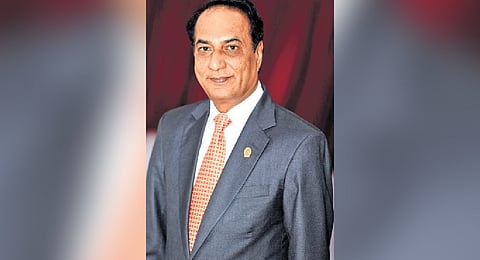
After mentoring students for many years and seeing their sheer resilience in the face of many odds, N Parthasarathi, former ambassador to South Korea, Consul-General of India in San Francisco, and seasoned Foreign Service officer, decided to write the book Navigating UPSC CSE (`160, Unique Publishers) to shed light on what it takes to ace this exam. “I recognised the need for proper guidance,” he explains. “There’s an overwhelming lack of direction that often leads talented individuals to lose precious time.”
Each year, approximately 12 to 15 lakh candidates apply for the civil service exams, yet many face confusion in preparation. He observes that while back in the day, they had limited access to study material and books, today the problem is the ‘opposite’. “There’s an overload of information. The main challenge for aspirants is figuring out what to read and what not to read, leading to the fear of missing out. The pressure to read everything can be overwhelming, causing them to lose sight of what’s actually necessary,” he says.

Parthasarathi wanted to create a resource that goes beyond standard guidebooks. “We wanted to create a book by putting ourselves in the shoes of the aspirants,” he shares. The book’s approach is practical, tackling common doubts, such as which books to prioritise, foundational knowledge, and effective study schedules. It also highlights tools for time management and strategies for ‘smart study’ — identifying core material to focus on without getting overwhelmed by irrelevant details.
While new technologies like ChatGPT and Gemini offer aspirants an edge in research and revision, Parthasarathi emphasises that they should not replace critical thinking. “AI can assist, validate, and refine your knowledge, but it should not be a substitute for analysis,” he cautions. His guidebook instructs students on using these tools effectively, reinforcing that the UPSC exam demands comprehension, analysis, and concise communication rather than mere memorisation.
Beyond written exams, the UPSC interview – or personality test – is a crucial component of selection. This stage evaluates not just knowledge but also personality, communication skills, and self-presentation. Parthasarathi highlights key insights his book offers, such as maintaining eye contact, guiding the conversation, and answering questions thoughtfully.
“When people write about their hobbies on the application, they often don’t give it enough thought. But a hobby should be something you are knowledgeable in, more than the average person. Interviewers may ask about this, and often aspirants struggle to give meaningful answers,” he adds.
The seasoned diplomat aims to extend its impact to rural aspirants who may feel under-resourced or discouraged. “We want to inspire everyone, regardless of background, to pursue their dreams,” he says.