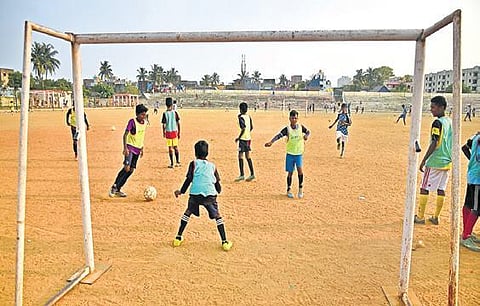

BENGALURU: The Associated Managements of Primary and Secondary Schools in Karnataka (KAMS) has stated that over 95% of students across surveyed schools do not participate in physical activities, even during scheduled Physical Training (PT) periods.
The survey was conducted following the growing health risks among school children, citing a sharp rise in fatigue, low blood pressure, and early cardiac-related symptoms.
Based on years of school-level observation, KAMS attributes the worsening health of students to increasing sedentary lifestyles, poor dietary habits, and a concerning lack of physical activity—both at home and in schools.
In its statement, KAMS said that over 95% of students do not participate in physical activities. “Structured opportunities for exercise and cultural involvement are being ignored by students, with many showing complete disinterest in physical or extracurricular engagement. Alarmingly, this withdrawal is often enabled by parents, who routinely seek exemptions from PT classes, citing vague complaints such as body pain or fatigue,” a release stated.
“Even during my school visits, I ask teachers to check how many students do any physical activity, be it jogging, exercise, or yoga. In most schools, you won’t find even 1 to 2 percent of students doing it regularly,” said Shashi Kumar, General Secretary, KAMS.
KAMS noted that this growing culture of physical avoidance is not an isolated school issue but one deeply rooted in home environments. Poor nutritional choices marked by high intake of processed and junk foods along with a lack of participation in household responsibilities, have contributed to low stamina levels among children. These patterns are compounded by unchecked digital consumption, with screen time far exceeding recommended limits, leading to further physical and mental health concerns.
The association expressed particular concern for female students, who are increasingly showing signs of anemia, low endurance, and other symptoms associated with malnutrition and inactivity. While many tend to attribute such conditions to post-COVID complications or environmental factors, KAMS emphasized that the majority of these cases are lifestyle-induced and preventable.
STAY FIT, GROW STRONG
KAMS has suggested a four-point action plan:
Parents must take responsibility for ensuring daily physical activity at home
Schools should accept exemptions from PT only on medical grounds
Health education must begin at home
Screen time and food habits should be actively monitored and corrected
