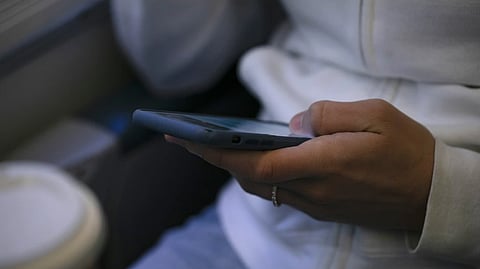

BENGALURU: A 19-year-old diabetic youngster narrowly escaped a life-threatening situation after his mobile phone exploded at home, leaving him unconscious with burns on his right hand, and signs of inhalation injury in Bengaluru. The teenager was rushed to hospital, where doctors found that he had also developed Diabetic Ketoacidosis (DKA), a severe metabolic complication triggered by the trauma, and was treated.
A multidisciplinary team of specialists from critical care, emergency medicine, orthopaedics and plastic surgery at SPARSH Hospital, Infantry Road, worked in close coordination to stabilise him. According to doctors, the combination of electrical burns, lung injury and metabolic imbalance made the case particularly complex. The foremost challenge before the team was to save the affected limb, manage the diabetes-induced metabolic crisis, and treat his compromised lung function.
“This was a complex case where multiple systems were affected simultaneously by electrical burns -- lung injury due to inhalation and metabolic imbalance from diabetes,” said Dr Hemant HR, Senior Consultant and Head, Critical Care Medicine, at SPARSH Hospital. “Early recognition of the diabetic emergency and prompt intensive care were crucial in preventing organ damage.”
Doctors initially feared the boy might develop compartment syndrome, a condition that can cause permanent muscle and nerve damage, but timely intervention helped avert surgery. MRI scans later showed pressure on major nerves in his injured hand, explaining temporary immobility. The patient also received psychological counselling to manage post-traumatic stress and began physiotherapy during recovery.
After weeks of intensive care and rehabilitation, the teenager was discharged in a stable condition. Doctors said his nerve function is expected to gradually improve with continued physiotherapy and nutrition support. The case underscores the potential dangers of electronic device mishandling and the importance of swift, coordinated medical intervention in trauma emergencies, a press release stated.