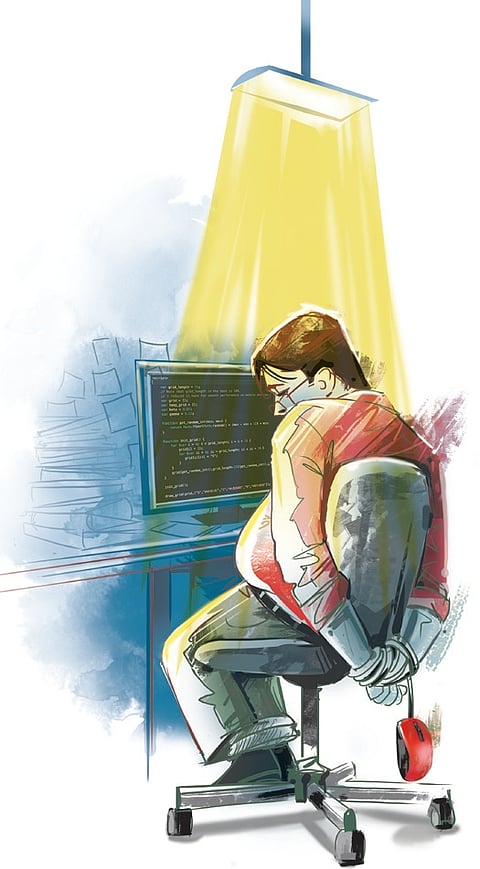

BENGALURU: Prolonged night shift work may be influencing more than immediate heart and metabolic health, it could be reshaping gene expression in ways that affect future generations, cardiologists have warned. Increasing scientific evidence suggests that chronic sleep disruption and sustained stress can trigger epigenetic changes like chemical modifications, such as DNA methylation that alter how genes function without changing the DNA sequence itself.
Dr Arunkumar Ullegaddi, Consultant Cardiologist at Narayana Health City, said repeated circadian disruption can dysregulate “clock genes” such as PER2, which govern metabolism, inflammation and hormonal balance. “When cortisol remains persistently elevated and melatonin is suppressed, the body enters a pro-inflammatory state. Over time, this environment can modify gene expression linked to insulin resistance, obesity and cardiovascular disease,” he explained.
Doctors caution that these epigenetic shifts may not be confined to one individual. Doctors share that emerging studies shows paternal and maternal night-shift exposure can influence sperm and egg biology, potentially predisposing children to higher risks of metabolic disorders, obesity and Type-2 diabetes. Some data also indicate associations with fertility challenges and miscarriage risk. “If both parents are living in a chronically stressed, sleep-deprived state, the biological signals passed to the next generation may carry that imprint,” Dr Ullegaddi noted, adding that long-term human studies are still evolving but the trend is concerning.
Repeated disruption of the body’s internal clock keeps stress hormones active for longer than they should be. Over time, this constant stress can affect genes that control immunity and inflammation, increasing the risk of high blood pressure and heart disease. Dr Sanjay Bhat, Senior Consultant – Interventional Cardiology at Aster CMI Hospital, said when the body remains in a prolonged inflammatory state, the chances of coronary artery disease rise steadily.
Unhealthy coping habits make the situation worse. Smoking damages blood vessels that are already strained by poor sleep. Too much caffeine can raise stress hormone levels and trigger irregular heartbeats. Irregular meals disturb blood sugar control, increasing the risk of diabetes. Together, these habits can raise heart risk two to three times, explained Dr Sreekanth Shetty, Director and Head of Cardiology at Sakra World Hospital. He also noted that low Vitamin D levels, common among night workers due to lack of sunlight, can weaken immunity and worsen metabolic problems.
Doctors advise night-shift workers to prioritise proper sleep, eat balanced meals, avoid smoking and excess caffeine, and undergo regular health check-ups such as lipid profile, HbA1c and ECG to detect problems early.
