
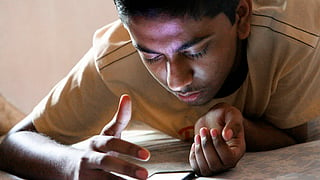
From scrolling through reels after school to staying connected with friends, social media has become a ‘reel’ companion in the daily lives of many teenagers. But concerns around screen addiction, mental health and online safety are prompting policymakers to rethink its place in young lives as it has always been. On Friday, a social media ban for children under 16 was announced in the Karnataka state budget, sparking a debate among students, parents, teachers and experts on analysing the practicality of the move and whether such restrictions will safeguard young minds or simply shift the responsibility back to families and schools.

‘Ban would feel like losing a big part of our lives’
Banning isn’t fair. Besides entertainment, social media has a lot of educational and motivational content. Sometimes the algorithm suggests posts that teach you new things or keep us updated about current affairs. Our generation grew up using social media, and many friendships and daily interactions happen online. Banning it suddenly would feel like losing a big part of our lives. Instead of banning it, teaching teenagers to use it responsibly and in moderation would be a better approach. Even though social media can impact teenagers’ mental health, I don’t think banning it will fully solve the issue.
‘Parents and schools should encourage in-person engagement’
If there is going to be a blanket ban on social media, adolescents are going to go back to finding clubs and communities where they can showcase their talents and interact with peers. By banning social media, some of the gadget dependency could reduce and activities like cricket, badminton, board games and other in-person interactions may help build critical thinking, deductive reasoning and social skills. Parents and schools should encourage more in-person engagement, hobbies, creative activities and community interactions so students can connect, showcase their talents and build a sense of belonging.
‘This is a push for u-16s to look for real connections’
Just like we have age limits for watching films, there needs to be a social media restriction for users under 16. But while implementing a ban like this, we must also find ways to deal with the resentment of the teens who are on social media. For those who are not on social media yet, this should be something that needs to be taught and dealt with in school, teaching them how they could use it effectively, so that when they get on social media, they become aware of how to use it responsibly. This is a push towards real, social and interpersonal connections.
‘Parents should take a more proactive approach’
I find myself quite conflicted on this matter. While I recognise the ill effects of social media on young minds, I also recognise its ability to act as a catalyst for our development and a good escape from the unyielding world we live in. A phone or social media turns into a tool for misuse when the conditions surrounding us permit. Parents should take a more proactive approach and teach their children how to be responsible users of social media, and not the government by any means. While formality in rules is necessary, children are rarely bound by restrictions imposed on them in such a manner of haste and neglect for their point of view.
‘Restricting access will help protect children’s mental health’
The decision to ban social media for children can be seen as an effort to protect their mental and emotional development. Restricting access at a young age can only help protect children’s mental health, as they may not always understand how to handle the pressure that comes from social media. Such measures can still reduce overall exposure and create awareness about healthy digital habits. When restrictions are combined with guidance, they can become more effective. Open conversations and digital awareness can help children learn responsible and balanced online behaviour.