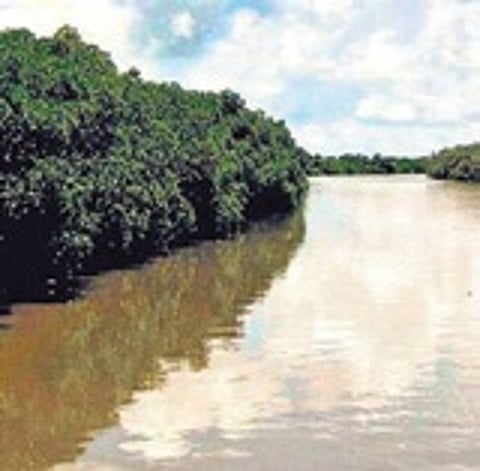

BHUBANESWAR: The Rs 224 crore Integrated Development Plan of Bhitarkanika National Park will be executed by the state wildlife wing, not the Tourism department.
In the last State Wetland Authority (SWA) meeting, chaired by Forest, Environment and Climate Change minister Ganesh Ram Singhkhuntia, it was decided that wildlife wing will be allowed to take up the project with necessary changes.
According to documents accessed by TNIE, the proposal for the project was originally submitted by the Tourism department with a financial outlay of Rs 224.72 crore. The SWA while in-principle agreeing to the proposal in February 2024 had stipulated that it must be verified by the divisional forest officer (DFO) of Rajnagar Mangrove Division with reference to the ESZ and CRZ norms.
The SWA made it clear that, considering the nature of the proposal to be an eco-tourism project, it should be executed by the wildlife wing of the Forest department.
Accordingly, the PCCF (wildlife) and chief wildlife warden was asked to submit a revised master plan for the project with necessary changes within two months for its consideration.
Contacted, PCCF wildlife Prem Kumar Jha said the decision to revise the master plan has been taken to ensure that environmental and wildlife protection take precedence over tourism development in the protected area. “The revised master plan will be readied and submitted to the government soon,” he said.
Forest officials said a project monitoring unit will also be set up in the wildlife headquarters for monitoring and implementation of the project. Based on the proposal of the wildlife wing, the Tourism department will release funds for the integrated development plan.
Before Bhitarkanika, the Tourism department had prepared an integrated master plan for Satkosia Tiger Reserve under Special Assistance to States for Capital Investment (SASCI) scheme. It had also proposed a similar plan under the scheme for Debrigarh Wildlife Sanctuary. However, following objections, the state wildlife wing submitted before the Supreme Court-monitored Central Empowered Committee (CEC) in July that Tourism department dropped the tourism and infrastructure plans in both the protected areas.
