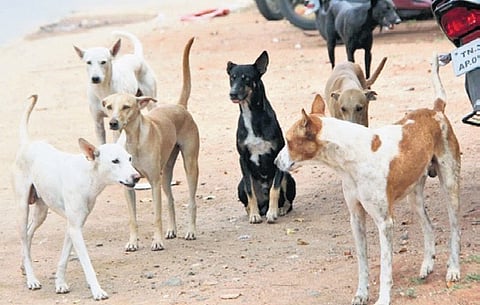

CHENNAI: The Tambaram City Municipal Corporation (TCMC) has put the estimates of the number of stray dogs in the area at 46,286, at the conclusion of the corporation’s first-ever DogPop Survey. Of these, only around 5,467 dogs (11%) were found to be already vaccinated.
The numbers have, for the first time, put into context the scale of the task at hand for the civic body, in terms of the number of animal birth control surgeries and vaccinations that need to be done ever year.
Zone 4 (Perungulathur) has the highest concentration of strays at 13,268, followed by Zone 5 (East Tambaram) with 10,699. The remaining zones - Pammal, Pallavaram and Sembakkam have 8,213, 6067 and 8039 dogs respectively, as per the census. The survey, conducted over 44 days from February 25, recorded sterilisation and vaccination levels apart from enumerating stray dogs.

Following the survey, the corporation launched a vaccination drive to cover all identified strays. “Based on the report, an ARV vaccination drive is under way in TCMC. Vaccination in four of the five zones is expected to be completed by September 30, and the next phase will begin on October 9. As of September 25, a total of 26,387 dogs had been vaccinated,” an official told TNIE on condition of anonymity.
Officials said the data collected would serve as a baseline for monitoring trends in the stray dog population and assessing the effectiveness of the Animal Birth Control programme in the years ahead. “The survey and vaccination campaign will help devise long-term strategies for managing strays, reducing human-dog conflicts, and ensuring public safety while safeguarding animal welfare,” the official added.
TCMC, which was formed in 2021, undertook the census to frame evidence-based policies on stray management. Authorities said the results highlight the need for sustained interventions, such as sterilisation, enhanced vaccination coverage, and public awareness campaigns, to reduce the risk of rabies and improve coexistence between residents and dogs.