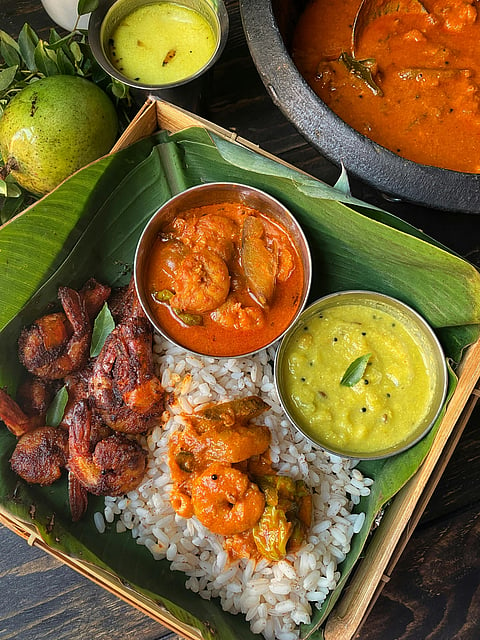

Coastal food cultures have nourished communities across Asia, the Pacific Islands, coastal Africa, and other tropical regions for centuries. Built around seafood, tropical fruits, coconuts, and seasonal plant foods, these diets are deeply rooted in geography, climate, and tradition. Interestingly, many of these traditional eating patterns align closely with what modern nutrition science now recommends for long-term health, recovery, and disease prevention.
At the heart of most coastal diets is seafood. Fish and shellfish are among the most nutrient-dense and bioavailable protein sources available. Unlike many forms of red meat, seafood generally contains lower amounts of saturated fat while still providing high-quality protein necessary for muscle repair, enzyme production, and overall body function.
One of the biggest nutritional advantages of seafood is its omega-3 fatty acid content. Fatty fish such as salmon, sardines, mackerel, and herring are rich in EPA and DHA, two omega-3 polyunsaturated fatty acids known for their protective role in cardiovascular health, brain function, and inflammation control. Since the body cannot produce these fats in meaningful quantities, dietary intake becomes essential.
Beyond protein and omega-3, seafood also provides several essential micronutrients. Iron found in fish supports oxygen transport and red blood cell formation. Vitamin D, abundant in fatty fish, is crucial for bone strength, immunity, and hormone regulation. Shellfish are excellent sources of zinc, which supports immune health and wound healing. Iodine, naturally present in fish and sea vegetables, is necessary for healthy thyroid hormone production. Vitamin B12 supports nerve health and cell growth, while selenium functions as a powerful antioxidant that supports thyroid and immune function.
Coastal diets are not built on seafood alone. Tropical coastal regions are also rich in plant-based foods that naturally support hydration, digestion, and recovery in hot climates. Many of these foods are seasonal staples that have long been integrated into traditional coastal cuisines.
Nungu, also known as ice apple, is a refreshing summer fruit commonly consumed in South Asian coastal regions. With its high water content, it serves as a natural hydrator during extreme heat. It is low in calories while still providing natural sugars for quick energy along with small amounts of calcium, iron, and B vitamins.
Coconut is another iconic coastal ingredient with remarkable versatility. Tender coconut water is a natural electrolyte-rich beverage containing potassium, magnesium, and sodium, making it highly effective for rehydration after heat exposure. The soft coconut flesh contains medium-chain triglycerides (MCTs), which can provide a quick source of energy. However, since coconut flesh and coconut oil are high in saturated fats, moderation remains important despite their nutritional benefits.
Mangoes also play a major role in coastal food traditions. Raw mango, often consumed in juices and pickles, is rich in vitamin C, pectin, and organic acids that support digestion, immunity, and hydration. Traditionally, it has also been used to reduce the risk of dehydration and heat stress during summer. Ripe mangoes provide vitamin A, vitamin C, folate, and natural sugars that support eye health, skin health, and energy levels. They also contain digestive enzymes such as amylase that help break down carbohydrates.
Melons like watermelon and muskmelon thrive in tropical coastal climates and are among the most hydrating fruits available. Watermelon contains over 90% water and provides lycopene, a potent antioxidant associated with heart health and reduced inflammation. Muskmelon is rich in beta-carotene, potassium, folate, and vitamin C, supporting healthy skin, vision, and blood pressure regulation.
Pineapple is another nutritionally valuable coastal fruit. Rich in vitamin C and manganese, it supports immunity, collagen synthesis, antioxidant defence, and bone health. Pineapple also contains bromelain, a unique enzyme known for its anti-inflammatory properties and its ability to assist in protein digestion.
Together, coastal foods create a dietary pattern rich in high-quality protein, healthy fats, hydration, vitamins, minerals, and antioxidants. These traditional food systems demonstrate how regional, seasonal eating patterns can support health naturally while preserving cultural identity and sustainability.
